

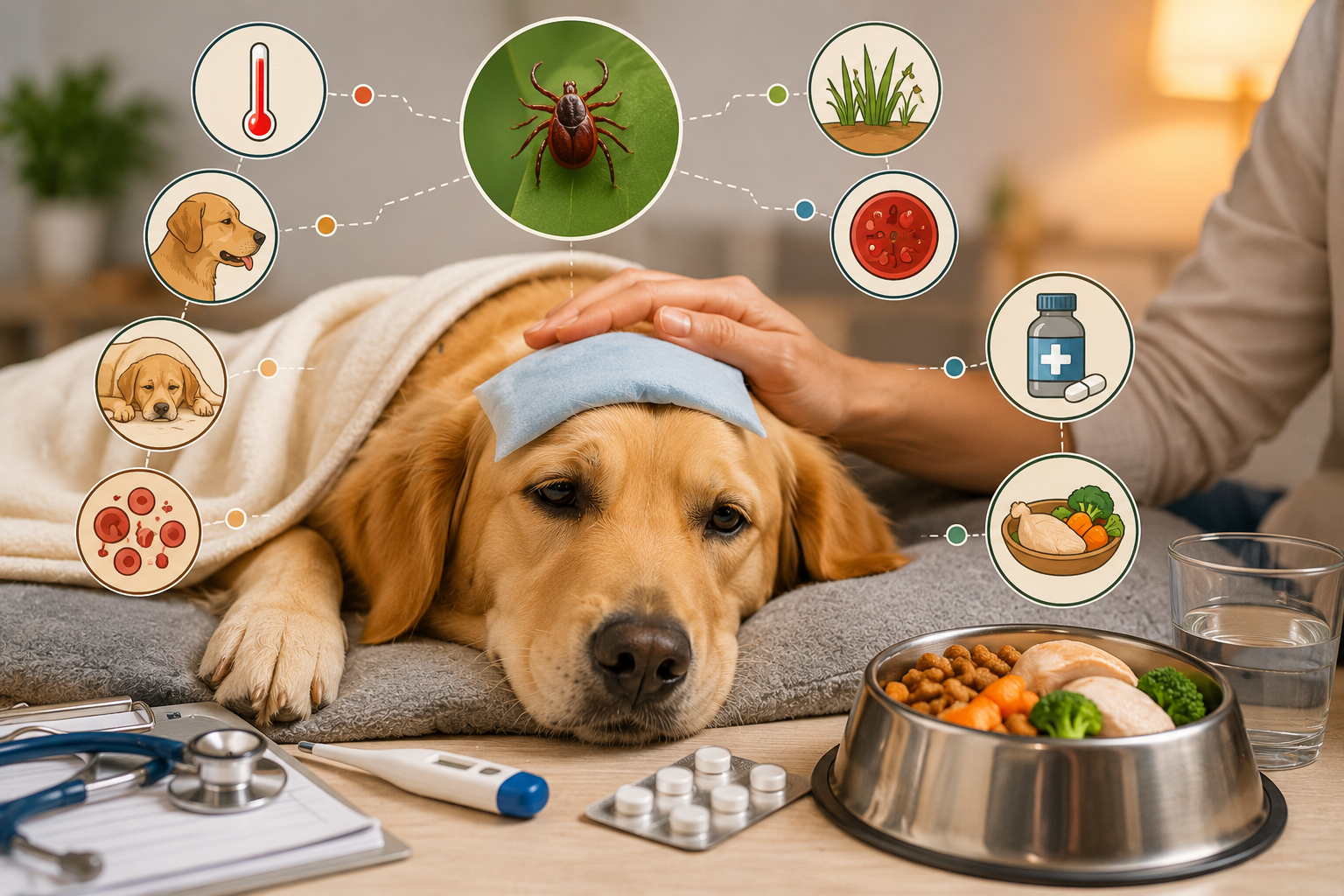
If your dog is scratching themselves more, seems very low on energy, or has a fever after being outdoors, they might have the early signs of tick fever. Tick fever is often referred to as canine ehrlichiosis, babesiosis, or even Rocky Mountain spotted fever (depending on which organism is causing it) and is one of the most overlooked and severe tick-borne illnesses for dogs in India and worldwide.
Being familiar with the symptoms of tick fever in dogs could truly be life-saving for your pet. The sooner a dog is identified and treated for tick fever, the quicker and more full of a recovery they'll have.
What Is Tick Fever in Dogs?
Before we go into the tick fever symptoms in dogs in detail, let’s try to answer the first-ever query that most of the first-time pet owners pose: What exactly is tick fever in dogs?
Tick fever is a collective name given to infectious diseases in dogs transmitted through a bite from an infected tick. When an infected tick bites your dog, it injects harmful bacteria or parasites through the bloodstream when it is feeding on the blood of your dog. The 3 main tick fevers in India are:
-
Canine Ehrlichiosis - an infection caused by Ehrlichia canis, which is transmitted through the bite of the brown dog tick, Rhipicephalus sanguineus.
-
Babesiosis (piroplasmosis) - a blood parasite that damages the red blood cells in dogs.
-
Rocky Mountain spotted fever( RMSF) -caused by the Rickettsia rickettsii, which is less common but found in certain parts of India.
All these diseases manifest similar but at times disparate symptoms of tick fever in dogs, which is why a proper diagnosis from the vet is mandatory.
Causes of Tick Fever in Dogs
If you know the causes of tick fever in dogs, you know how to prevent it in the first place. Prevention of tick fever is easy enough, as the main cause is a simple tick bite, but other factors contribute towards the risk and can significantly increase your dog's chances of contracting the disease;
-
Spending time in long grassy or woodland areas and overgrown bush where ticks tend to breed
-
Living in humid and tropical climates, the predominant climate is found throughout most of India.
-
Interaction with other infected animals
-
Not consistently administering tick treatments (i.e., Spot-ons, tick collars, and tick sprays).
-
Dogs with weak immune systems tend to have more aggressive diseases.
Ticks can be very small, and it is very easy to overlook one on a dog's coat, particularly a long-haired dog. The pathogen may be transferred long before the tick is noticed or fully engorged on the host. It is important to notice the first signs of tick fever in a dog, rather than looking for the tick.
Symptoms of Tick Fever in Dogs: What to Watch For
The symptoms of tick fever in dogs can appear anywhere between 1-3 weeks after a tick bite and can range from subtle to severe. This is why they are often missed. Let us go through the stages to know precisely what to look out for.
Early stage symptoms of tick fever in dogs (1-14 days)
The early stage is generally misdiagnosed as a regular illness. Be particularly aware if your dog presents with:
-
Sudden weakness or lethargy - is your active pet tired out of the blue?
-
Loss of appetite, refuses to eat or drink
-
Fever – temperature is a red flag above 39.4 °C (103F) when rectal is measured
-
Enlarged lymph nodes - these will often be palpable under the jaw or behind the knees
-
Nasal and/or ocular discharge
-
Stiffness, limping, or joint pain when rising. This may only appear after sleep
-
Mild loss of weight over a period of one to two weeks
The early stage symptoms are very easily attributed to something more common; it is due to this that the diagnosis of tick fever in dogs is frequently missed in the early stages. Always mention recent outdoor access in tick-endemic regions to your vet.
Advanced Stage Symptoms of tick fever in dogs
If tick fever in dogs goes untreated, it will progress relatively quickly. Later stage symptoms of tick fever in dogs include:
-
Gum is pale in colour or tinged yellow (This indicates anaemia or jaundice from damage to the red blood cells).
-
Bleeding either spontaneously from the nose, gums, or in the urine.
-
Difficulty breathing (labored respiration or increased, shallow respirations).
-
Neurological symptoms – loss of coordination (wobbling), fitting, sudden blindness.
-
Significant loss of muscle mass and body weight.
-
Urine is dark and 'cola-coloured' (most commonly associated with babesiosis).
-
Prostrate collapse/ extreme weakness.
Advanced stage tick fever in dogs represents a veterinary emergency. Do not make a scheduled appointment - take your dog to the closest emergency animal hospital.
Tick on Dog symptoms - skin and coat signs
Apart from the systemic signs mentioned above, tick on dog symptoms at the attachment site can include:
-
Compulsive scratching or biting at the site
-
Inflammation, swelling, or a small lump at the attachment site (where the tick is or was).
-
Hair loss at the bite site
-
Skin is crusty/ scabby and does not heal rapidly.
Removal of a tick is very important and should be done using fine-tipped tweezers and pulling straight up at the site of the tick attachment. Do not twist or burn a tick; neither of these techniques kills or removes the tick cleanly and will often mean the whole tick does not come out, leaving behind a dangerous foreign body at the bite site.
Tick Fever Treatment in Dogs: What the Vet Will Do
Dog tick fever treatments will vary depending on the disease that is diagnosed and on the condition that the dog is in. However, these are the treatments that would be typically prescribed by your veterinarian:
Antibiotics
For ehrlichiosis and RMSF, doxycycline is typically prescribed. This is a course of antibiotics, usually 28 days long; it is extremely important to complete the whole course even if the dog appears to be better within a few days; finishing the course is the most common cause of a relapse of tick fever. For babesiosis, antiprotozoal medicines, typically injected at the vets' office, such as Imidocarb dipropionate.
Supportive Therapy
Based on the symptoms, the following treatments might also be prescribed by your vet:
-
IV fluids given to prevent dehydration and maintain organ function.
-
Blood transfusions if the dog is severely anemic.
-
Anti-nausea medications, appetite stimulants.
-
Anti-inflammatory and pain medication for sore joints.
-
Hospitalization of severe cases
Tick Fever in Dogs Treatment at Home: Supportive Steps
Although tick fever can be treated at home, it can not substitute professional veterinary care, but there are effective actions you can take to help speed up the recovery of your dog, once a veterinarian has prescribed a course of treatment.
How to treat tick fever at home along with veterinary care.
-
Administer all prescribed medications as scheduled – use an alarm or reminders if necessary
-
Ensure your dog is kept calm and gets plenty of rest-avoid energetic play while recovering
-
Keep plenty of fresh, clean water accessible to avoid dehydration at all times
-
Check rectal temperature once daily during the first week of treatment
-
Monitor gums- they should be healthy, pink, and moist at all times. If they are pale or white, call the vet straight away.
-
Isolate from other animals, as appropriate, temporarily, to help keep stress at a minimum
-
Create a cool, comfy resting spot that is out of direct sunlight and heat
-
Monitor your dog’s appetite and consider if they refuse to eat anything for over 24 hours
Note: Treating tick fever in dogs at home is always carried out under veterinary supervision. Your actions will help your dog be comfortable and recover faster, but it should not be seen as a substitute for veterinary medication; treatment of tick fever is only prescribed after it has been positively diagnosed.
Best Diet for Dogs Recovering From Tick Fever
Nutrition is key to recovery. Once you have diagnosed tick fever in your dog and have sought treatment, changing to a diet designed to promote recovery can have significant positive impacts on your dog's healing. What to feed and what not to feed.
During the Recovery Diet - Foods to feed:
-
Boiled chicken and plain white rice - easily digested and contain good lean protein
-
Boiled pumpkin or sweet potato - high in anti-oxidants and very easy on the gut
-
Low-sodium chicken or bone broth - encourages drinking if water intake is refused by your dog
-
Boiled scrambled eggs (without butter/oil and salt) - good lean protein and easily digested
-
A veterinarian prescribed recovery diets, particularly if there are kidney complications
-
Clean, fresh water should be available at all times – water is of utmost importance.
During the Recovery Diet - Foods to not feed:
-
Raw diets – their immune systems are struggling to battle the organisms, and they certainly do not need to face additional pathogens from raw food.
-
Highly fatty or highly spiced food is difficult for an already distressed stomach.
-
Processed treats or table scraps usually have low nutritional value.
-
Dairy products can exacerbate diarrhea, which is often a side effect of antibiotics.
If your dog absolutely refuses to eat for over 24 hours while on the treatment regimen, then contact your vet. Appetite stimulants or nutritional feeding tube support may be necessary.
Preventing Tick Fever: The Best Cure
After witnessing symptoms of tick fever in your own dog, preventative care is now paramount. Fortunately, nearly all cases of tick fever can be completely prevented through a dedicated tick control regimen.
-
Use monthly topical tick prevention medications (Frontline Plus, Bravecto or NexGard) - be sure to consult your veterinarian to determine which is right for your dog and what dose your dog will need.
-
Inspect your dog for ticks every time your dog comes in from outside; check your dog’s ears, paws, tail and underbelly.
-
Wash your dog's bedding on hot and dry thoroughly on a regular basis.
-
Keep your grass and any outdoor area at your home trimmed and clear of brush and debris, as this removes some tick habitat.
-
Use tick-repellent dog collars (such as Seresto or Scalibor collars that many vets in India recommend) for your dog.
-
Schedule your dog for regular, 6-monthly check-ups at the veterinarian’s office, including blood tests.
-
Vaccinations are part of preventive health care when the focus is tick control.
Final Word: Know the Signs, Act Fast
The early symptoms of tick fever in dogs are also key to treating it, as the sooner you realize what the signs are ( lethargy, fever, pallor of the gums, reduced appetite, bleeding), the quicker you will be able to provide support to your canine. Tick fever in dogs is serious, but curable if properly and timely treated.
At Zoomies, we think that all pet parents are worthy of easy-to-understand, truthful, and immediately helpful information in order to keep their canine companion healthy and joyful. This comprehensive guide contains what is needed for each owner who has to deal with a current, ongoing infection or to aid in their dog’s healing process, and to even learn how to prevent it altogether.
If you think your dog has tick fever symptoms in dogs, do not hesitate to call your vet.
Your dog's health starts with knowledge. Dive into Zoomies' full guide on dog health, specific care recommendations per breed, nutrition plans with approval from the vet – because you can count on it, your dog is entitled to only the best.
FAQs
What is tick fever in dogs?
Tick fever in dogs is a canine illness caused by tick-borne infections such as Ehrlichiosis, Babesiosis, or Anaplasmosis. Tick fever occurs when a dog is bitten by an infected tick, which transmits parasites or bacteria into the dog’s bloodstream and produces symptoms such as fever, lethargy, poor appetite, and anemia.
What are the symptoms of a tick on a dog or tick fever infection?
The common signs of tick fever can be fever, weakness, paleness of the gums, swelling of lymph nodes, weight loss, reduced appetite, nasal bleeding, or lethargy. It can also include joint pain, inability to walk, and bruising. The presence of ticks can alert you to the risk of these infections.
How is tick fever treatment in dogs typically performed?
Tick fever is usually treated with a combination of medication to combat tick-borne diseases, such as a course of antibiotics, such as doxycycline, prescribed by the veterinarian, fluids, and medicine for any complications, though treatment depends on the cause of the tick-borne disease. An early diagnosis and medical intervention are key to the successful outcome of a dog suffering from tick fever.
Can tick fever in dogs be treated at home?
Dogs who have contracted tick fever should not be treated purely through home remedies. While the provision of fluid and nutrition together with rest will greatly assist your dog's recovery, the presence of the parasites within the body will require medication. In addition to this, you may delay diagnosis, allowing for greater risk of severe implications.
How can tick fever in dogs be cured and prevented?
Many cases of tick fever are completely curable if diagnosed early and treated with prescribed medicine. Prevention will include administering veterinary-approved tick preventatives, inspecting your dog regularly for tick presence, and removing any that have attached to your dog. Removing them quickly can assist in the prevention of the illness, along with maintaining areas that do not allow for ticks to thrive.
Share:
Which Dog Breed Is Best for Home in India? Top Choices for First-Time Pet Parents
Cat Heat Cycle Explained: Signs, Stages, and How Long a Cat Stays in Heat