

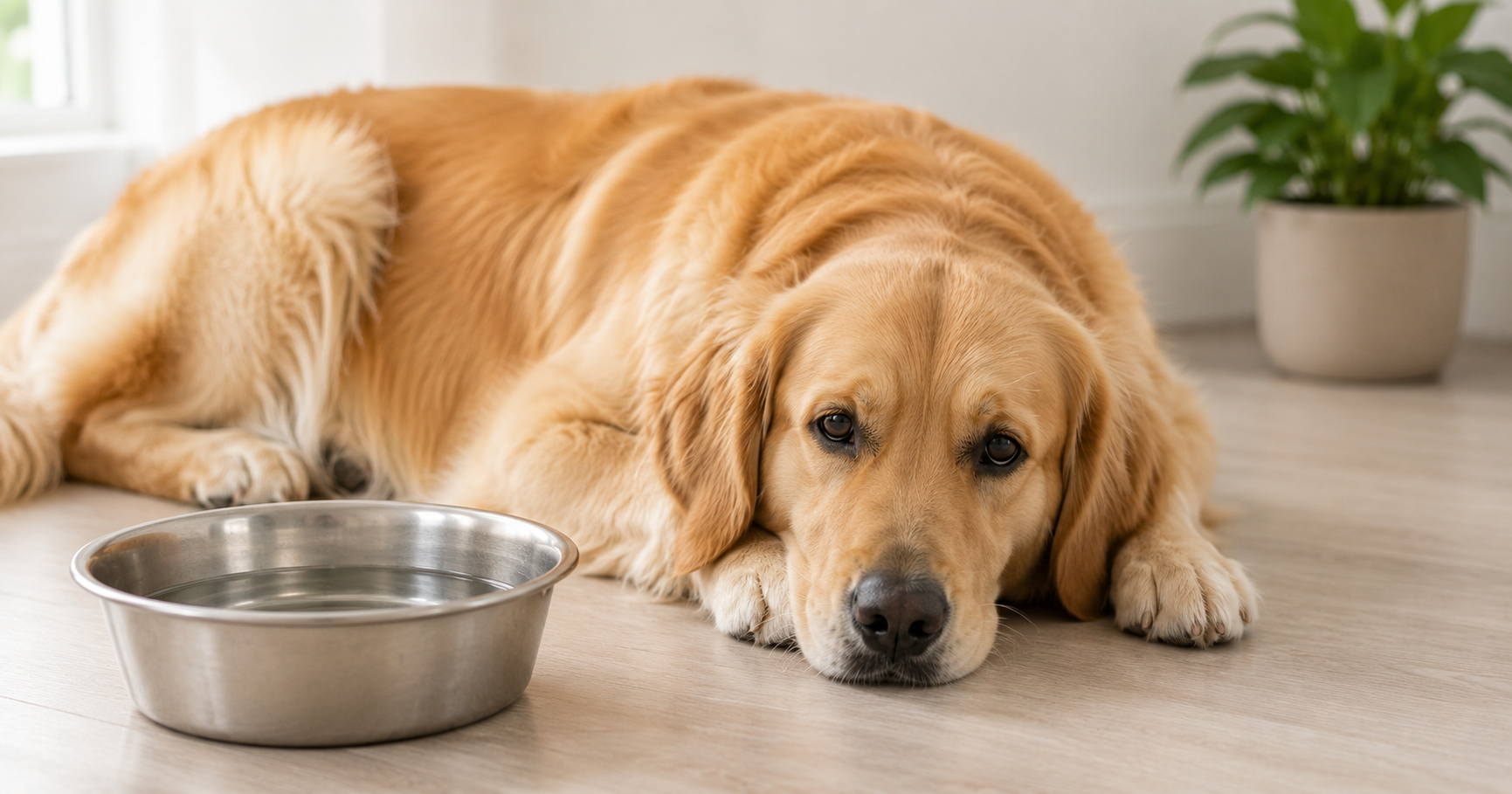
Seeing your dog having trouble peeing, hearing him yelp while squatting, or even noticing that your previously house-trained dog begins to make messes inside all of a sudden can be quite alarming. One cause that is often more frequent than one may think is UTI in dogs – a condition that is unpleasant and disruptive yet highly treatable.
This article provides all you need to know about UTI in dogs: how to recognise the symptoms in your pup, the causes of such an infection, how to diagnose it, possible treatments, what you can safely do at home, and daily practices that will prevent UTI in dogs from becoming a recurring issue. This resource is aimed at dog owners who want some factual information.
What Is a UTI in Dogs?
UTI in dogs can be described as a bacterial infection within the urinary system. The main parts of the urinary system in a dog are the urethra, bladder, ureters, and sometimes the kidneys. Most commonly, dogs suffer from lower UTIs in which bacteria infects the mucous membrane of the walls of the bladder. Bacteria commonly known to cause UTIs in dogs are Escherichia coli, Staphylococcus, Proteus, and Klebsiella.
In dogs, UTI always involves a bacterial infection. This is because antibiotics are used to treat UTIs in dogs, and therefore, a diagnosis has to be made before treatment through the urine analysis test.
Dog UTI Symptoms: What to Watch For
The dog UTI symptoms most owners notice first involve changes in urination habits. The problem here is that some of these symptoms may also be caused by other diseases – such as bladder stones, prostate problems in males, and incontinence in female dogs who have been spayed. Here is a list of symptoms to look out for:
Severe UTI Symptoms in Dogs
UTIs are usually very uncomfortable but rarely cause any imminent danger in dogs. Severe UTI symptoms in dogs that point to an advanced infection (one where the bacteria have already migrated into the kidneys), or that indicate the presence of a blockage, however, demand immediate veterinary care. Look out for the following symptoms:
-
Inability to pass urine at all despite several attempts
-
Body temperature higher than 39.5 degrees Celsius with symptoms of a urinary tract infection
-
Painful sensitivity on touch in the abdominal or lumbar area
-
Vomiting, tremors, and severe lethargy in addition to urinary symptoms
What Causes UTI in Dogs?
Knowing the cause of UTI in dogs can help determine who is more susceptible to developing a UTI and how to effectively prevent it. While the most common cause is bacterial, the pathway for bacteria to enter the urinary tract differs from case to case.
Primary Bacterial Infection
The most typical case is when there is an ascending infection; that is, bacteria present in the surroundings, on the skin or faeces around the opening of the urethra move upwards along the urethra to reach the bladder. Females are much more vulnerable to this type of infection due to the shorter and wider nature of the urethra compared to that in males.
Environmental and Hygiene Factors
Dogs that are exposed to muddy or polluted waters, or lack the chance to urinate regularly, and those animals that live in surroundings where they are not groomed well with regards to their genitourinary areas are at a slightly increased risk.
Dog UTI Treatment: What Vets Prescribe
As soon as the condition is diagnosed, dog UTI treatment becomes simple in simple cases and complicated if the dog has other underlying illnesses. Here's what dog UTI treatment involves:
Antibiotics
These medications form an essential component of the dog UTI treatment plan . Some common antibiotics that can be used in treating UTIs in dogs in India include amoxicillin-clavulanate, trimethoprim-sulfamethoxazole, enrofloxacin, and marbofloxacin. The drug will depend upon culture sensitivity results.
Pain Relief
Urine discomfort is associated with UTIs, and therefore medication will be provided to reduce any possible inflammation and pain in dogs. The pain relieving medications include Carprofen, meloxicam, or NSAIDs. What should also be observed is the fact that managing pain effectively is key because pain is what causes the dog to retain his urine for a long time.
Managing Underlying Factors
Where UTIs are caused by any underlying issue, addressing that issue is equally crucial in addition to administering antibiotics to the dog. An uncontrolled diabetic dog will keep developing UTIs regardless of the number of antibiotics it consumes. In cases where the UTI is caused by bladder stones, such stones need to be managed using surgery or diet. The same applies to any other underlying condition, as recurrent UTIs in dogs without investigating the root cause do not happen.
How to Treat Dog UTI at Home: What Is Safe and Effective?
First of all, it should be stated that it is not possible to eliminate the infection using only at-home techniques. Despite the lack of natural solutions eliminating the E. coli bacteria from your dog’s bladder as antibiotics do, home treatment methods may help in coping with the infection and reducing its recurrence.
Maximise Water Intake
Increasing water intake will be the most reliable step towards knowing how to treat a UTI in dogs at home as a support measure. Increased intake increases the rate of urination, which washes the bacteria from the bladder and thins the irritating urine for the already inflamed bladder walls.
Provide Increased Opportunities for Urination
If the dog holds his pee for long periods, he gives more time to bacteria to breed. In such a case, an effort to maximise the opportunities for urination during treatment plays a critical role in treatment. Dogs who need to go to pee every other hour should not have to wait for six hours.
Probiotics
A connection exists between the gut microbiome and urinary microbiome, and the administration of antibiotics is needed but inevitably interferes with the helpful bacteria responsible for controlling opportunistic pathogens. Canine probiotics are recommended during and two to four weeks after the course of antibiotics to restore the digestive system and immunity. It is best to opt for products formulated with Lactobacillus acidophilus or Bifidobacterium animalis strains that have been proven effective for canines.
What Not to Use at Home
The home treatments that can include apple cider vinegar, garlic, onions, essential oils, or herbs should not be applied to canine cases of UTI. Either because it is harmful to dogs or is not harmful but changes urine pH and, therefore, the formation of crystals. It could seem very attractive to apply some treatment having seen it written on the internet, but remember always to ask your vet first.
Diet and UTI in Dogs
A dog’s diet affects the likelihood of UTI in various ways, including their total water consumption, their urine pH, its mineral composition, and their immunity. While the below cannot be considered a fail-safe when it comes to preventing UTIs, they will greatly reduce the risk of infection.
Water Content
Research findings indicate that dogs that feed exclusively on dry foods tend to develop concentrated urine than those that feed on wet foods. Concentrated urine causes irritation of the inner walls of the bladder; it creates a perfect breeding ground for bacteria, and super-saturation is much easier. Giving your dog wet foods once in a day will help improve urine production.
Protein Quality and pH Balance
When consumed, high-quality animal protein causes an animal’s urine pH levels to fall between 6.0 and 6.5. This is slightly acidic, making the body less hospitable to many types of UTI-causing bacteria. Diets with high amounts of vegetables, grains, or legumes tend to make a dog’s urine more alkaline. Animal protein being listed as the first ingredient is a good starting point.
Prevention of UTI in Dogs
The best method for preventing UTI in dogs involves developing good practices daily, as opposed to waiting until an infection takes hold before taking action. Here is what will help in the prevention process:
Keep Fresh Water Available at All Times
This is easy to do, and you must make sure this happens. A dog that is hydrated enough will pass urine more often, and frequent passing of urine is the best way to prevent infections in the urinary tract. In India, during summers, the temperature usually goes above 38-40 degrees, which means the dog’s requirements for water will be much higher during this time than in the rest of the year.
Genital Hygiene
In females, especially those having skin folds around their vulva (overweight and certain breeds prone to having loose skin), it is recommended to clean the region gently with a wet towel several times a week. This practice will help reduce the presence of bacteria around the urethral region. When you take your dog for a swim in a lake, pond, or during floods, washing her undersides makes sense. Dogs with long fur that get urine scalds on their fur near the urethral area require proper grooming.
Healthy Body Weight
Obese female dogs are more prone to UTIs than their slender counterparts due to the presence of many skin folds near the vulva, making the urethral area moist and warm – ideal for bacterial growth. It is one of the rare practices that benefit multiple aspects of your dog’s well-being.
Signs of UTI in Dogs vs. Other Urinary Conditions
Here is how common conditions compare:
|
Condition |
Overlapping Signs |
|
Bacterial UTI |
Straining, blood in urine, frequent urination, accidents indoors |
|
Bladder stones |
Straining, blood in urine, frequent urination |
|
Urinary crystals |
Straining, frequent urination, blood occasionally |
|
Hormonal incontinence (spayed F) |
Urine leaking without apparent awareness |
|
Prostate disease (intact male) |
Straining, blood in urine, difficulty defecating |
|
Kidney infection (pyelonephritis) |
All UTI signs plus fever, lethargy, back pain, vomiting |
|
Bladder tumour (TCC) |
Blood in urine, straining, recurrent apparent infections |
The Bottom Line
Dog UTI is one of the relatively easier-to-manage conditions your dog will ever have to deal with – provided it is spotted and treated in time. Signs that indicate a possible UTI include changes in the frequency of urination, difficulties while urinating, bloody urine, and house training accidents. If you observe any of those signs, visiting the veterinarian should be on your schedule. Proper diagnosis via urinalysis and, preferably, urine culture allows effective dog UTI treatment.
FAQs
What are the common signs of a UTI in dogs?
The common signs of a UTI infection in dogs are increased frequency of urination, difficulty when urinating, blood in the urine, foul smell, licking around the genitals, and urination indoors. Some dogs may show irritability and restlessness.
What are severe UTI symptoms in dogs?
Symptoms of a severe UTI in dogs include fever, vomiting, lack of appetite, weakness, inability to pass urine, and visible pain when passing urine. Such symptoms may point to complications that should be urgently checked by a vet.
How is a UTI in dogs usually treated?
Dog UTIs are often treated with the help of antibiotics prescribed by a vet after the examination of the animal and analysis of the dog's urine.
4.Can I treat my dog’s UTI at home?
While mild cases of discomfort due to UTIs in dogs can be alleviated through more water consumption and regular bathroom visits, self-treatment without seeking professional advice is not recommended due to the usual nature of these problems as being bacterial in origin.
How can I help prevent UTIs in dogs?
UTIs can be prevented by making sure that your dog consumes adequate amounts of water, takes regular trips to the bathroom, and keeps his/her hygiene levels high, especially with regards to his/her genitals.
Share:
How to Treat a UTI in Cats: Symptoms, Diet, and Prevention
Early Symptoms of Kidney Problems in Dogs You Should Not Ignore