

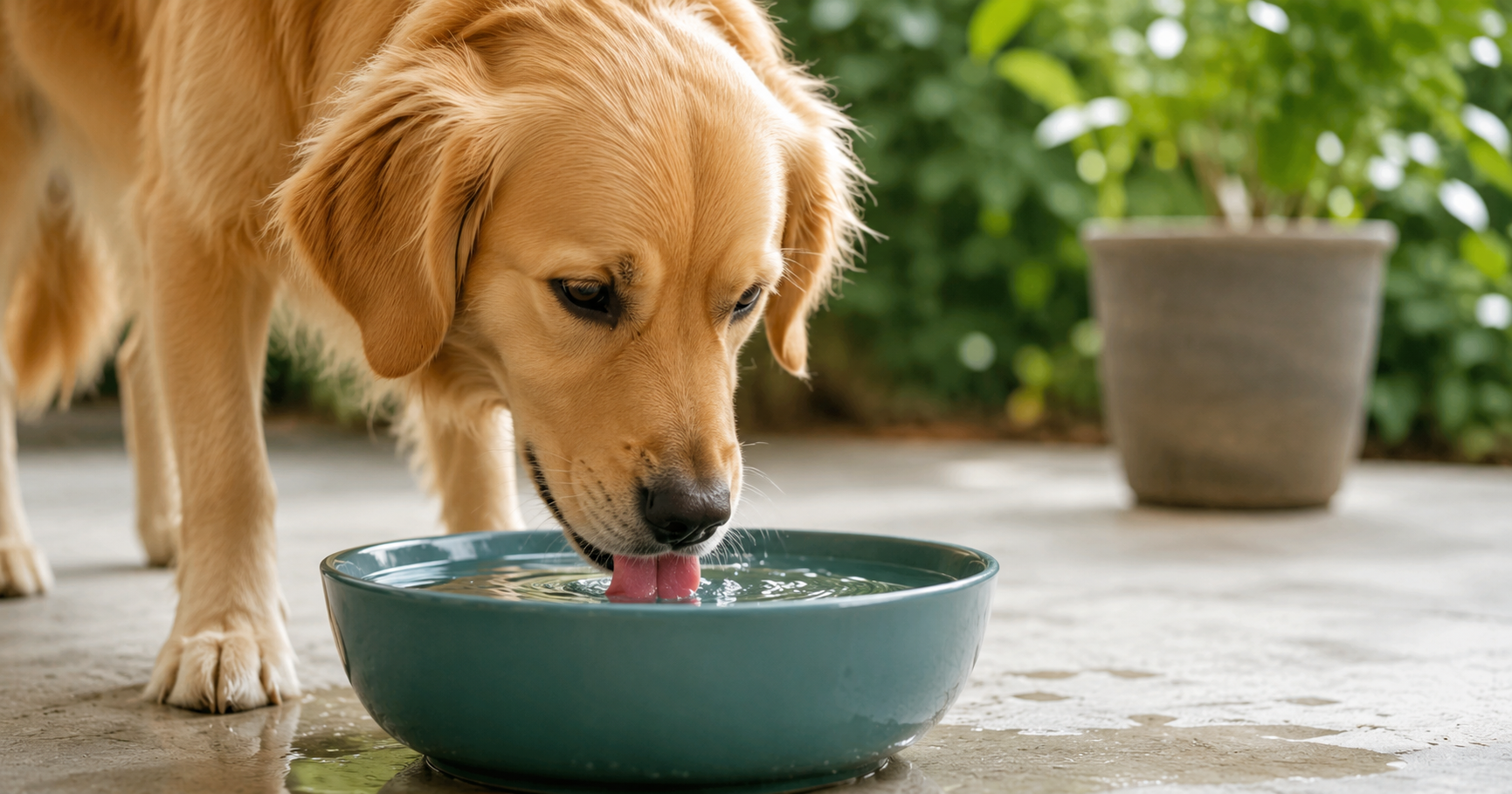
Dogs cannot sweat like humans. Their cooling process occurs via panting, meaning their water requirement is steady, fast, and underestimated because the period of April- June, when most areas of the country experience extreme heat, spans the longest part of the year.
However, dog hydration goes beyond summer months only. Hydration of a dog is an all-year-round duty that people take care of intuitively instead of being knowledgeable about it. The fact that your dog has constant access to fresh water does not guarantee its adequate hydration. The size of a water bowl, the freshness of the water itself, the dog's diet, age, activities, and health condition play an important role here.
The following topics will be discussed in detail: importance of dog hydration, the signs of dehydration and ways to prevent it, tips on proper hydration for a dog, foods rich in fluids, dog hydration supplements available in India, and how to keep your dog hydrated every season.
Why Dog Hydration Matters More Than You Think
The canine body is made up of roughly 60-70% water. This liquid acts as the medium where all metabolic reactions take place. These include the breakdown of nutrients, filtration of waste by the kidneys, thermoregulation, joint lubrication, and circulatory processes. Failure to restore even a little bit of lost fluid means that the body will have to make adjustments that are not necessarily healthy for your dog in the long term.
A quick look at how veterinarians calculate how much fluid a dog requires reveals some alarming facts about hydration. An optimal dog requires roughly 40-60 millilitres per kilogram per day of water intake. A 20 kg Labrador needs to take in 800-1.2 litres of fluid daily. For instance, a 30 kg German Shepherd will need an intake that is even higher compared to the 20 kg Labrador at 1.8 litres on a daily basis. Fluid intake should come from both clean water and wet dog food. Knowing how to keep your dog hydrated involves first knowing the amount that your dog really needs.
Signs of Dehydration in Dogs: What to Check at Home
One thing about dehydration is that dogs will not directly indicate dehydration. It is only when the behaviour starts changing that the level of dehydration is too advanced, which is why you need to know the physiological symptoms that indicate dehydration.
Skin Turgor Test
Press the skin on your dog's neck area by making it into a tent, then let it fall off. The normal process is that the skin should instantly return to its natural position. If it takes the skin a while to return to its natural position, this could mean that your dog might be dehydrated.
Gum Assessment
The colour of the gums will normally be pale when you press it for about two seconds and should turn red after two seconds. If the gums stay pale for more than two seconds and are sticky instead of being wet and slimy, the dog is probably dehydrated.
Dehydration Severity Guide
|
Severity |
Fluid Loss |
Key Symptoms |
Action Required |
|
Mild |
Up to 5% |
Slightly tacky gums, mild lethargy, slightly reduced appetite |
Offer fresh water; add wet food; monitor every 30 min |
|
Moderate |
5%-8% |
Dry gums, skin tenting, sunken eyes, weakness, rapid heart rate |
Vet visit within 12–24 hours; oral electrolyte solution |
|
Severe |
8%-12% |
Very dry gums, collapse risk, cold extremities, disorientation |
Emergency vet care immediately- IV fluids needed |
|
Critical |
Above 12% |
Organ failure risk; shock; pale or white gums; unresponsive |
Life-threatening - emergency clinic, do not delay |
What Causes Dehydration in Dogs?
Understanding the cause helps determine the right solution. The most common causes of poor dog hydration in India are:
Insufficient Water Intake
Most common and easiest to prevent. Dogs fed dry food only, those living in houses where the bowls are not maintained, and those in hot environments without any access to shade are already at an increased baseline risk. Dogs that are simply not fond of drinking water may require some encouragement in the form of flavouring their water.
Vomiting and Diarrhoea
Diseases of the gastrointestinal tract result in excessive fluid loss. Any dog that experiences vomiting and diarrhoea three times a day should visit a vet, regardless of how much water they are consuming, because the fluids they lose are far greater than what they consume voluntarily.
Heatstroke
Heat stroke is a serious health hazard in India, being one of the main causes of dehydration among dogs. It refers to a situation where a dog’s body temperature exceeds 40 degrees Celsius and panting becomes inadequate for heat regulation. Heat stroke is a threat to dogs that are left in a car or exposed to hot road surfaces in the midday sun.
How to Hydrate a Dog: Practical Methods That Work
If your dog is slightly dehydrated or your query on how to hydrate your dog concerns a case where you have a dog who refuses to drink water adequately, then here is what works based on scientific evidence:
Use Moisture-Rich (Wet) Food in Their Diet – H2O in Dog Food Is What Matters
The best way you can ensure your dog remains hydrated is through the use of hydrated dog food, which is either wet/canned food containing 65-85 per cent of moisture. The dog on moist dog food receives a significant amount of his fluid needs through the wet food, regardless of whether he actually drinks from the water bowl or not.
Add Water or Low-Sodium Broth Directly to Food
If the dog is reluctant to eat canned wet food, you may try pouring water/broth over his/her kibble meal. Pour approximately 50-100 ml of either water or low-sodium broth over the dog’s dry kibble in order to soften its meal and make it highly hydrating and appealing for him/her to eat. Most dogs who do not drink from the water bowl would enjoy eating water-soaked kibble meal. You must change the dog’s broth between meals.
Invest in a Dog Water Fountain
The instinct of dogs involves drinking moving water, which seems to them fresher than water in bowls. Therefore, by purchasing a pet water fountain, you’ll provide your dog with the possibility to always have cool, well-oxygenated and flowing water available.
When Home Care Is Not Enough: Signs You Need a Vet
How to make sure that my dog stays hydrated is enough for most occasions. However, there is a line in cases where more home care would not be helpful, but only veterinary attention.
-
Dog hasn’t consumed water for 12 to 18 hours
-
Dog continues vomiting or diarrhoea for more than 24 hours
-
Significant tenting on the skin turgor test and taking more than 3 seconds to resolve
-
Dry and sticky gums, white or pale gums
-
Animal cannot stand, disoriented, or collapsed
-
Possibility of heatstroke – rapid breathing, excessive salivation, red gums, raised body temperature
-
Diagnosis of kidney disease, diabetes, or parvo; dehydration signs appear
How to Keep My Dog Hydrated: A Year-Round Routine
Learning how to keep my dog hydrated involves a lot more than just one practice. What makes a consistent year-round dog hydration strategy:
-
Make sure your dog eats one meal of hydrated dog food every day: either wet or fresh, or even dry dog food mixed with water
-
Change the water in the water bowls twice a day, and rinse the water bowl every two or three days
-
Supply the dog’s resting place with a water fountain
-
Check the colour of urine when cleaning the litter area: clear-yellow urine means everything is fine; darker urine means your dog needs more fluids
-
Weigh your dog once a month – sudden weight loss within two to three weeks is often caused by dehydration
-
During heat waves (April-June), feed the dog wet food two times a day, and provide an electrolyte solution once a day
-
Provide cool indoor conditions for your dog between 11 AM and 5 PM during summer
-
Yearly blood work check from the age of seven – dogs are seniors, and they become less sensitive to thirst and kidney function
The Bottom Line on Dog Hydration
The topic of dog hydration is something with an answer that doesn't have to be overly complicated. Water from various sources, cleaned regularly. Foods designed to hydrate your dog incorporated into his diet as a matter of course, and not simply a rare treat. Electrolyte drinks for dogs suffering from illnesses or exposed to extremely high temperatures. Information about dehydration symptoms that may affect your pet, enabling you to spot problems early on. Last but not least, a positive vet-client relationship that will give you access to blood tests for your dog at an early stage. Zoomies wet food is a great functional hydration product for use on a daily basis, besides being a source of healthy nutrition. For mildly dehydrated dogs, offer them Zoomies wet food slightly heated with a little bit of water.
Dog hydration is one of those basics that dog owners with some experience forget about because everything they do helps their dogs remain hydrated without much effort. But if you are still working on how to keep your dogs hydrated, take a look at two very easy things you can do – add some wet food to your doggy's nutrition regimen and put additional sources of water in places where he usually rests.
FAQs
How can I keep my dog hydrated?
Make sure that your dog has enough water throughout the day, and encourage him/her to drink more water when it is hot outside or while exercising.
What are the signs of dehydration in dogs?
Some common symptoms of dehydration include dry mouth, breathing heavily, tiredness, lack of appetite, and low elasticity of the skin.
Are hydration supplements safe for dogs?
There are many products that could provide extra hydration to dogs in case of heat or sickness. However, most sports drinks are not recommended because they may contain harmful ingredients.
Does wet dog food help with hydration?
Yes, wet dog food has a high percentage of water compared to dry dog food and may increase hydration. This type of food is highly recommended for picky dogs or those who normally do not take in enough fluids.
How do I hydrate a dog that refuses to drink water?
Some tips to increase water consumption include giving ice, broth, wet food, or using a pet water fountain. If none of these work, please see a vet as soon as possible.
Share:
Cat Dehydration: Symptoms, Causes, and Treatment Guide
How to Treat a UTI in Cats: Symptoms, Diet, and Prevention