

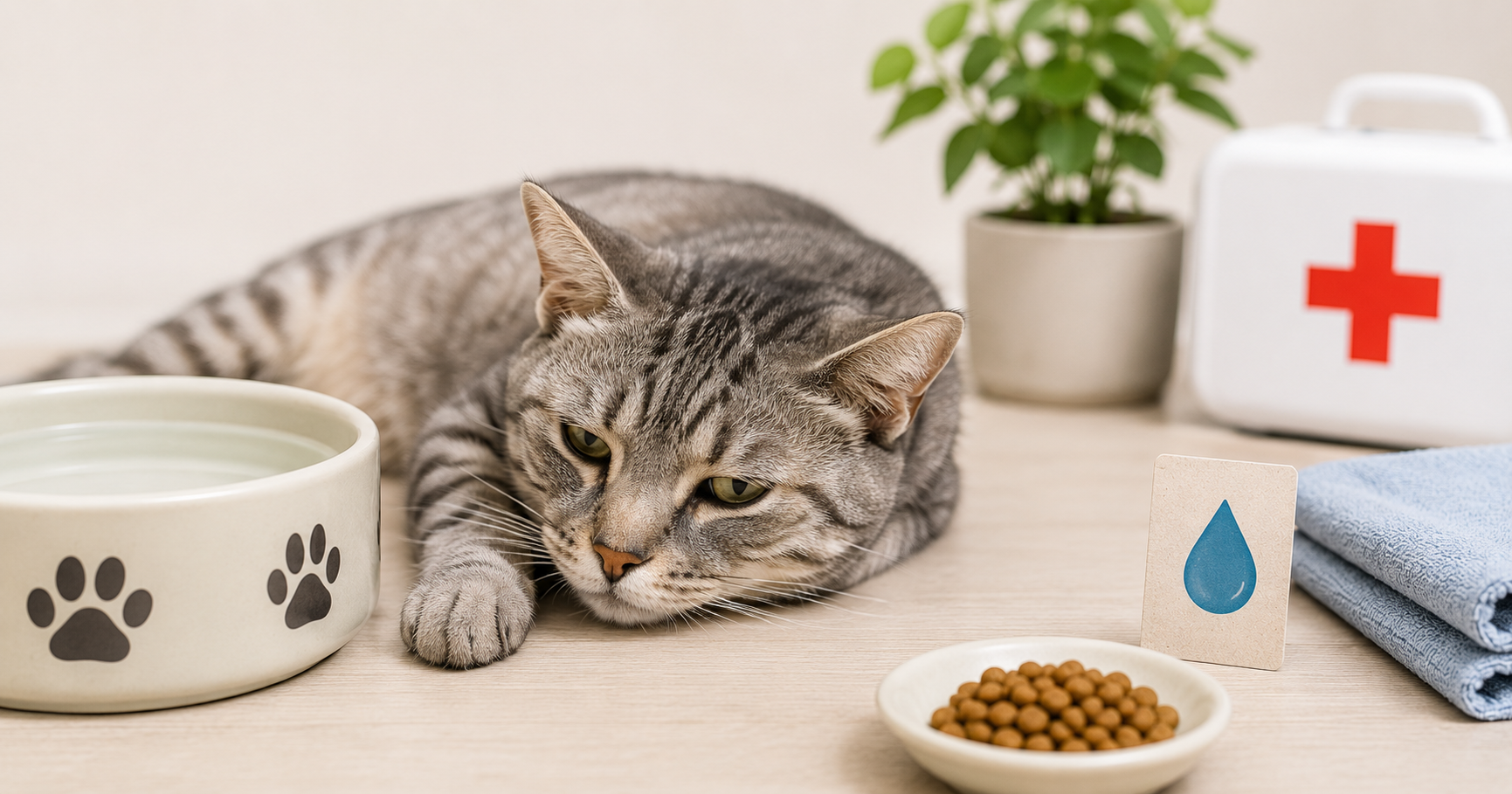
Cat hydration is perhaps the single most critical yet most neglected area in cat healthcare. Since cats are descendants of desert creatures, their bodies were optimised for concentrating urine output and living on minimal quantities of liquid. However, as a result of this genetic feature, cats generally have a very poor thirst drive and do not have an innate tendency to drink lots of water like, say, dogs do. Against this backdrop of India with its scorching summer heat and high humidity levels, where cats get fed mostly dry food, it becomes a genuine health hazard.
Here, you will learn all about the signs and causes of dehydration, the link between dehydration and kidney disease, methods of effective cat hydration, and how to cope if problems occur.
Why Cat Hydration Is Non-Negotiable
The general water requirement in cats is four ounces per five pounds of their body weight daily. For example, a cat weighing 4 kilograms requires 200 ml of water per day, which can be acquired through wet food. Hydration is necessary for cats because water plays the main role in any physiological processes occurring in the body. Water makes up 60% of the body weight of cats.
Symptoms of Dehydration in Cats: What to Watch For
Being able to spot dehydration early will ensure that you keep a minor problem from becoming an emergency vet visit. Some of the major signs include:
Skin Turgor Test
Gently pinch and lift the saggy skin on the back of your kitty (scruff). If your kitty is well hydrated, the skin should quickly return to its former place. If it fails to do so and returns slowly, there is a high probability that your cat is dehydrated. It’s regarded as the most effective test for determining feline dehydration.
Colour and Moisture of Gums
Apply gentle pressure using a single finger against your cat’s gums, then remove the finger. The section of gum on which the finger was placed shall change color within 2 seconds from being white to becoming red. A capillary refill time that is equal to or less than two seconds means that the circulatory system is working fine.
Dehydration Severity at a Glance
|
Severity |
Fluid Loss |
Symptoms |
Action Required |
|
Mild |
Up to 5% |
Slightly dry gums, mild lethargy, reduced appetite |
Encourage water intake; monitor closely |
|
Moderate |
5%-10% |
Dry/tacky gums, skin tenting, sunken eyes, increased heart rate |
Vet visit within 24 hours |
|
Severe |
10%+ |
Very dry gums, extreme lethargy, cold extremities, collapse possible |
Emergency vet care immediately |
|
Critical |
Above 15% |
Organ failure risk; life-threatening |
Emergency IV fluids - do not delay |
What Causes Dehydration in Cats?
There are a number of possible reasons behind low cat hydration, and knowing what has caused the situation is crucial in determining how to address it.
Insufficient Water Intake
The simplest reason of them all. Felines who eat a diet made up only of dry food but have inadequate amounts of water to drink will end up being dehydrated. Under the warm conditions that exist in India, the situation will be even worse for felines residing in Mumbai, especially during May.
Vomiting and Diarrhoea
Diseases of the stomach result in rapid dehydration. In cases where a cat is enduring the above problems for more than 24 hours, regardless of how much it drinks, it needs veterinary attention. The cat’s body will lose fluids at a much quicker rate than it will consume them, with sodium, potassium, and chlorine also being lost.
Kidney Disease
Chronic kidney disease (CKD) is the most common kidney-based condition in cats, and it has a direct and serious relationship with cat hydration. The condition is caused directly by cat dehydration, because as the kidneys degenerate, their ability to concentrate the urine decreases. As a consequence, the cat passes more urine than necessary, thereby losing more fluid than it would if its kidneys were still healthy. Therefore, the cat gets increasingly dehydrated, and this is detrimental to its kidneys.
Given the connection between kidney disorders and cat hydration, the owners of cats in India need to understand the symptoms of these conditions, particularly if their cats are seven years old or more.
Signs of Kidney Problems in Cats: Know What to Look For
Increased water intake – the increased urge for water intake usually marks the onset of symptoms
-
Frequent urination or urination in large amounts
-
Uncertain weight loss despite regular eating patterns
-
Less interest in food or complete lack of appetite
-
Feeling sick, especially early mornings or after eating meals
-
Dull and untidy appearance of their coat because cats suffering from CKD do not groom properly
-
Ammonia breath due to the accumulation of waste products in their bloodstream
-
Weakness in muscles and unwillingness to jump
-
Pale gums at later stages
In case your cat shows any of these signs, and especially when he/she is over 7 years old, you cannot afford to wait till the end-of-year veterinarian consultation and have to make an appointment where the request will be for a kidney panel, that is a test that checks the levels of creatinine, BUN, and SDMA.
The provision of senior blood tests regularly for cats has improved considerably in the last five years in major cities of India such as Bengaluru, Mumbai, Delhi, Pune, and Chennai. You need to invest in this once your cat turns 7 years old.
How to Hydrate My Cat: Practical Strategies That Actually Work
In case you were wondering how to ensure proper hydration of your cat other than simply offering them water from a bowl and crossing your fingers, these tips might come in handy:
Switch to Wet Food or Add Wet Food to the Diet
This is the most effective method of improving your cat’s level of hydration. Wet foods contain the largest portion of daily liquid intake for cats and do not require increased drinking behaviour. Even switching just one meal to wet foods per day will make an obvious difference to overall water consumption.
Add Water to Dry Food
When cats refuse to eat wet foods, add water to the dry pellets and make a softer food mixture. Start by adding a little bit and gradually increase the quantity throughout a week. It is usually easier for cats to eat food in this form rather than switching diets entirely. Make sure to use filtered or boiled water when doing so in India.
Add Low-Sodium Broth
Just a little bit of lukewarm plain chicken broth without any onions, garlic, or salt included in your cat’s drinking water or wet food can have a great influence on stimulating both your cat’s appetite and thirst.
Flavoured Water
Some felines would do just fine with their drinking water flavoured with the tuna can’s rinsing water (without any salt or oil – just filtered water from a spring). Just a few spoonfuls of this tuna water might help them get thirsty enough to drink it all up.
Food for Cats With Kidney Problems: What the Science Says
It is essential to serve wet food, either a commercial prescription renal formula or quality wet food for cats suffering from kidney conditions. The very moisture present in such foods can help hydrate an animal whose kidneys are not working properly anymore. Royal Canin Renal, Hill's k/d, and Purina Pro Plan Veterinary Diets NF are the best-tested prescriptions for such cases in India.
Zoomies wet food product, which contains 100% human-grade meat without preservatives and has a high content of water, is great to add to the diet of a cat with mild CKD as well as an excellent means of hydration for otherwise healthy animals. Always seek veterinary consultation when planning your cat’s nutrition.
If a cat cannot be persuaded to accept a prescribed renal diet, which happens sometimes, then it is best to make the cat eat any wet food. A cat eating any wet food is always better than a cat refusing any kind of food at all.
How to Keep Your Cat Hydrated: A Year-Round Routine
Learning to hydrate your cat should not be one thing you do once – instead, you need to practice proper habits each day. This is what it entails:
-
Make sure that you feed your cat canned food at least once each day
-
Restock your cat’s bowls with water each morning and night, and clean them every two to three days
-
Maintain a water fountain in a convenient location in your home
-
Take note of the output of the litter tray weekly – any alteration can point to dehydration
-
Take your cat’s weight once per month; if there is unexpected loss of weight, then you are experiencing the early symptoms
-
During summer, make sure to hydrate your cat twice as much as usual due to fast evaporation in Indian conditions
-
Take annual blood tests from the age of seven onwards to detect any signs of kidney disease
Cat Hydration: The Bottom Line
Cat hydration is not a very complex or exciting issue, but it certainly is one which needs to be handled on a consistent basis. It might not always be clear when cats require extra hydration because they will only start exhibiting dehydration symptoms once it’s already too late. The simplest method of making sure that your cat stays hydrated is to ensure that you provide it with access to fresh water and wet food all the time.
The exact brands or products will become irrelevant if the cat is fed wet food regularly and provided with plenty of fresh water. It will simply hydrate much better than a cat kept only on dry foods and supplied with one neglected water bowl in a corner. Support your cat's hydration with Zoomies high-moisture wet food - made from 100% human-grade real meat, zero synthetic additives, delivered pan-India.
FAQs
What food is best for cats with kidney problems?
There are specially designed renal diets that have controlled phosphorus, protein, and added hydration support given to sick cats. Wet food is advisable because it can help your cat take in fluids without putting too much pressure on the cat’s kidneys.
How can I encourage my cat to drink more water?
Your little cat will likely begin to consume more water if you feed her wet food, give her food in ceramic or stainless steel bowls, provide her with fresh water on a regular basis, and ensure her water dishes are not located close to her litter box. One additional method to try is to get her a water fountain.
How can I keep my cat hydrated every day?
The following are some ways in which you can help your cat stay hydrated by ensuring there is always water in the bowl, providing her canned foods, or getting her a water fountain in case she prefers running water. Cats tend to drink less compared to dogs.
What are the signs of dehydration in cats?
If you feel like your cat might be dehydrated, some of the symptoms to look out for include a dry mouth, low energy levels, poor appetite, sunken eyes, and reduced skin elasticity. Dehydrated cats will be passing smaller amounts of urine and extremely tired.
What are the signs of kidney problems in cats?
The most common signs associated with kidney disease in cats are increased drinking, increased urination, loss of appetite, vomiting, bad breath, weight loss, and severe fatigue. Kidney diseases are extremely prevalent in older cats.
Share:
Best Kitten Food in India: Your First-Year Nutrition Guide
How to Keep Your Dog Hydrated: Signs of Dehydration, Risks, and Solutions