

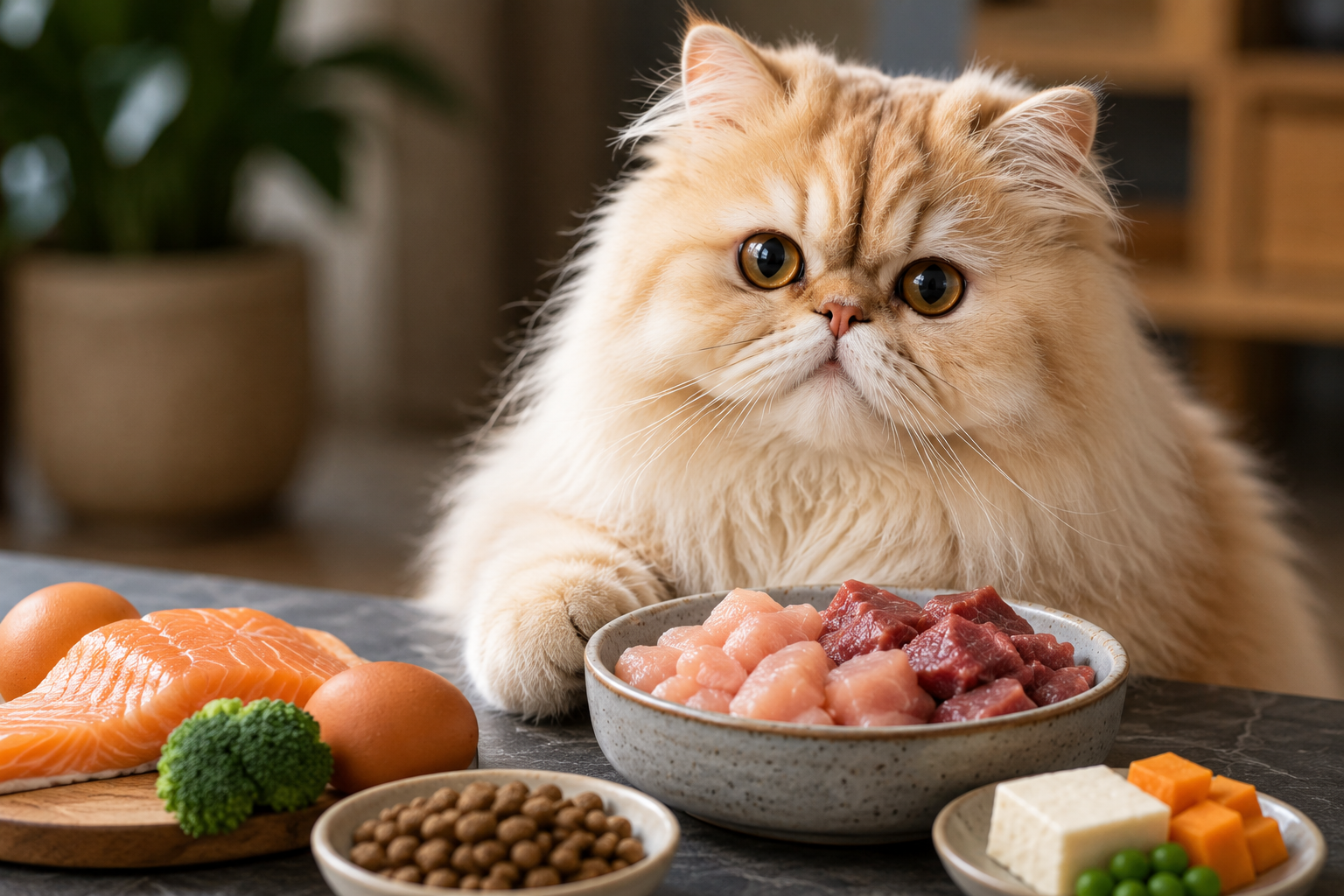
The phrase "high protein" is likely something you have seen many times when comparing cat food labels. It is not an accident; there is science behind the use of high-protein cat food. Cats are classified as obligate carnivores, and this means that their bodies were made in such a way that they depend on proteins and fats and do not require carbohydrates in order to function properly. In this guide, we will explain everything you need to know about high-protein cat food: why it is important, how much protein your cat really needs, situations when you should opt for high-protein cat food for weight gain, and more.
What Makes a Cat Food "High-Protein"?
While there is no universal legal definition for high protein cat food, as a rule of thumb, most veterinary nutritionists define a dry diet as high protein if it contains 35% or more crude protein (on a dry matter basis), while wet cat food containing 10% or more crude protein (as fed) can be defined as high protein. To correctly compare the products based on their protein contents, it is important to know that you should use the dry matter protein content of the product in question rather than its as-fed content, as the amount of moisture in wet food may mislead you if you use the as-fed protein content stated on the packaging of the food.
According to the Association of American Feed Control Officials (AAFCO), the minimum crude protein content required for commercial pet food for adult cats is 26%, while for growth and reproduction (kittens and pregnant or nursing cats) - 30%. High protein cat food exceeds these numbers.
Why Cats Need More Protein Than Dogs or Humans
The reason why high protein cat food is necessary can be understood through the biological aspect of cats. As opposed to dogs or even humans who are omnivores, cats are obligate carnivores, meaning that some essential nutrients can only be acquired by cats from animals, as they are incapable of making these nutrients themselves. These include:
-
Taurine, an amino acid found mostly in animal protein; required for heart health and vision. Without taurine, the cat will develop such diseases as dilated cardiomyopathy and retinal degeneration.
-
Arachidonic acid, a fatty acid which cats cannot get from plants as dogs do.
-
Preformed Vitamin A, which cats are unable to synthesise from beta-carotene found in plants as most mammals do.
-
Vitamin B12 and niacin.
For this reason, high protein cat food is not merely an option; rather, it represents the fulfilment of a nutritional need built into feline biology through thousands of years of evolution as pure carnivores. Cats are also able to metabolise protein and amino acids for energy in a manner that does not occur in either dogs or humans. For this reason, cats have a greater basic protein requirement per pound of body weight than many other domesticated animals.
The Health Benefits of High Protein Cat Food
1. Helps in Building Lean Muscle Mass
Higher protein content in cat food helps in building lean muscle mass, as these foods supply enough amino acids required for building lean muscle mass. It becomes important for older cats, who lose muscle due to sarcopenia and active cats.
2. Provides Required Amino Acids
It is seen from above that essential amino acids like taurine are vital for the good health of cats. Foods that contain a sufficient amount of animal protein will help your cat get these essential nutrients. Your cat does not need supplements to compensate for the lack of these nutrients in low-protein foods with carbohydrate-rich content.
3. Helps in Maintaining Weight
Cats get filled up quickly with higher protein content as compared to foods containing carbohydrate content. This helps cats prevent excessive eating because of hunger. A higher-protein and lower-carbohydrate diet helps cats maintain weight, as excess carbohydrates that are not used for energy are converted into fat.
4. Promotes Healthy Hair And Skin
The amino acids contained in high-protein cat food act as the building blocks of keratin, which forms hair and skin. Felines that consume diets lacking enough protein are likely to suffer from poor hair and skin health characterised by thinning of hair and poor wound healing.
5. Mimics The Cat’s Natural Nutritional Needs
Wild cats’ prey, such as small rodents, birds, and insects, are estimated to be 55-65% protein and contain minimal amounts of carbohydrates. Therefore, high protein cat food, especially that containing low amounts of grains, better mimics these needs.
High Protein Cat Food for Weight Gain
Not all cats need weight loss; there may be cats whose weight is too low because of old age, disease, post-operation period, finicky nature, or even fast metabolism. In such cases, high protein cat food for weight gain will become a vital component in helping the cat become healthy again. Since proteins and fats are calorie-rich foods and since cats' bodies have been optimised for consuming them, a high protein cat food for weight gain strategy will work more effectively than increasing the amount of lower-calorie food.
-
Choosing high protein cat food for weight gain will require looking for certain elements:
-
Protein and medium or high fat content, as the fat is the most calorie-rich macronutrient, which is perfect in combination with protein when you need healthy weight gain rather than mere stomach filling with low-calorie products;
-
Calorie-rich wet or fresh food, as it is more appetising for underweight cats than dry kibble;
-
Several small portions per day instead of fewer larger meals, as it makes digestion easier for an underweight cat;
-
Identifiable protein sources (chicken, turkey, salmon, beef) among the first products in the list of ingredients.
One has to understand that weight loss in cats may also indicate some underlying problem, which can be related to hyperthyroidism, diabetes, oral problems, or worms. Prior to using high-protein cat food for gaining weight, a veterinarian's consultation should be considered, because changing the type of cat food will not help if there is some other health problem.
Signs Your Cat May Not Be Getting Enough Protein
Since commercial diets range greatly in their quality, it is always good to know how to recognise the symptoms of a possible protein deficiency in your kitty, even if the diet is supposed to satisfy all minimum standards. Pay attention to a dull and brittle coat; visible muscle wasting, particularly in the back and hind legs; lack of energy and decreased enthusiasm about playing; delayed wound healing; and unexplained weight loss, even while the cat seems to eat normally or even excessively. None of the above is indicative by itself since these symptoms might signal other health issues as well, but when seen in combination with a diet with grain or vegetable proteins as the main sources of protein, you should consult your vet about switching your cat to a real high-protein food.
How Much Protein Does Your Cat Actually Need?
The protein needs vary according to the life stage of the cat. The protein needs of kittens, which require rapid development of their muscles, bones, and organ tissues, are the greatest as compared to the rest of the life stages – hence the high proportion of AAFCO standards for growth and reproduction, which stipulates 30% dry matter protein. Healthy adult cats that maintain their body weight effectively can thrive very well with high-protein cat foods in the range of 35% – 50% dry matter protein, especially with the relatively low carbohydrate content in such a diet. Senior cats do not necessarily decrease their protein intake, but should in fact increase or maintain it, due to their inefficiency in synthesising proteins from the diet; hence, high-quality and high-protein cat food becomes more necessary than before.
Common Myths About High Protein Cat Food
Myth 1: Cat food with high protein causes damage to healthy kidneys. This is perhaps one of the most common myths in the sphere of cat nutrition. Scientific evidence suggests that there is no harm done to the health of cats with healthy kidneys when consuming foods with high amounts of protein. High protein intake is considered a good remedy for cats who suffer from advanced chronic kidney disease.
Myth 2: There are no differences between various high-protein cat foods. Quality is at least as important as the amount of protein in a cat's food. Foods with high amounts of protein and named ingredients ("chicken," "salmon") provide more benefits than those made from low-quality protein, such as by-products, corn gluten meal, and high plant-based protein content for purely marketing purposes.
Myth 3: Protein-based cat food should be fed only to kittens or active cats. The fact that high-protein requirements exist for kittens and highly active cats does not mean that older and mature cats do not require a high protein level in their diet. Studies even indicate that protein requirements rise in older cats, who lose the ability to use protein properly because of ageing.
How to Choose a High Protein Cat Food
While making comparisons, consider the following tips:
-
Always look at the ingredient list and not the labelling on the front of the pack. An animal protein by name (Chicken, Turkey, Salmon, Beef) must be listed as the first ingredient on any quality high protein cat food.
-
Ensure that you compare proteins based on dry matter percentage because the water content makes it harder to compare dry food to canned food in terms of protein.
-
Go for complete and balanced formulas that will ensure that you have no problem meeting AAFCO nutrient profiles depending on the life stage of your cat.
-
Avoid excess fillers such as lots of corn, wheat, and soy that tend to make the food less protein dense.
-
Think about your cat's requirements and not the average cat. A kitten, pregnant or lactating cat, or one in recovery or gaining muscle mass through feeding on high protein cat food is expected to need more protein and calories than a mature cat at its ideal body weight.
How Zoomies Approaches High Protein Nutrition
Ingredients in Zoomies cat food have been designed based on actual protein sources rather than fillers, just like what would be expected from any good high-protein cat food, which includes actual animal ingredients as the main ingredient, nutritional composition geared towards building lean muscles and meeting amino acid requirements, and varying products according to different life stages, including those suitable for overweight cats requiring higher calorie density. If you are looking for a high-protein cat food for weight gain, Zoomies has got you covered by offering calorie-dense, high-protein products. As usual, it is advisable to consult your vet to know the right amount of protein and calories for your cat.
Final Thoughts
The fact that high protein cat food is no fleeting fad, but rather an exact representation of the kind of nourishment that obligate carnivores like cats require by nature, cannot be overstated. From building muscles and promoting skin health to providing amino acids such as taurine, which cats cannot manufacture themselves, the rationale behind the use of high-protein cat food lies in feline biology itself and not in the realm of marketing gimmicks. While bigger portions of low-protein diets do help in gaining weight, high-protein cat food for weight gain, which consists of quality animal proteins and sufficient fats, is much more helpful. No matter which variety you opt for, using high-quality protein like Zoomies cat food is certainly one of the best decisions for your pet's well-being.
FAQs
1. Is high-protein cat food good for weight gain?
Yes. High-protein cat food can support healthy weight gain when it also provides adequate calories and healthy fats. It helps build lean muscle rather than simply increasing body fat, making it ideal for underweight cats.
2. Which cats may benefit from high-protein cat food for weight gain?
Cats that are underweight due to illness, surgery, ageing, poor appetite, or a fast metabolism may benefit from a high-protein, calorie-dense diet. A veterinary examination is recommended to rule out underlying medical conditions before changing your cat's diet.
3. What ingredients should I look for in high-protein cat food for weight gain?
Choose foods that list real animal proteins such as chicken, turkey, salmon, or beef as the first ingredient. A combination of high-quality protein, moderate-to-high fat, and calorie-dense nutrition supports healthy weight gain.
4. How can I help my cat gain weight safely?
Offer several small meals throughout the day, feed a calorie-rich, high-protein diet, and transition to new food gradually. Regular weight monitoring and veterinary guidance can help ensure healthy, steady weight gain.
5. Can all cats eat high-protein cat food?
Most healthy cats thrive on high-protein diets because they are obligate carnivores. However, cats with certain medical conditions may require specialised nutrition, so it's best to consult a veterinarian before making significant dietary changes.
Share:
10 Best Baby Cat Foods Recommended by Vets
Why Is My Dog Not Eating? 7 Common Reasons and What to Do