

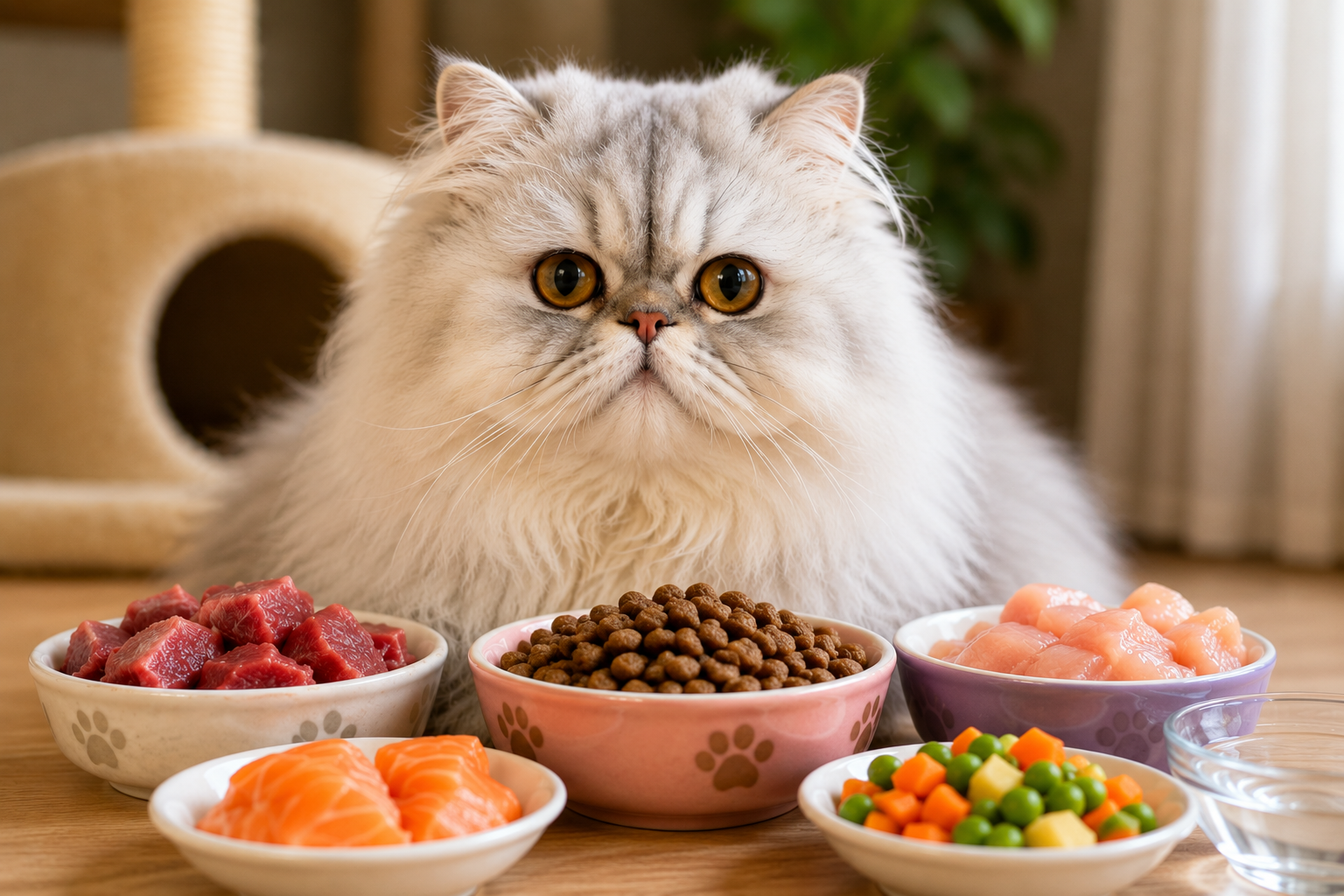

Welcoming a kitten into your home is indeed thrilling, but choosing the proper baby cat food is an intimidating task for first-time pet owners. Since kittens grow at an extremely fast pace, they require much more calories, proteins, and fats per pound than adult cats do. Hence, selecting the correct baby cat food will ensure the future good health of your little one. In this post, I will discuss everything you should know about baby cat food, give you a list of baby cat foods recommended by veterinarians, and point to Zoomies Cat Food in this list.

Why Baby Cat Food Matters So Much
Kittens are not simply young cats; rather, they have nutritional requirements that differ greatly from those of adult cats. Good-quality baby cat food has high amounts of proteins, fats, calcium, and DHA, which promote fast growth, proper brain development, and strong immunity. The use of adult food before the time or using a poor-quality baby cat food may result in growth problems, bone fragility, and stomach-related health problems.
It is the unanimous recommendation of veterinarians to feed baby cat food until the cat grows up to 12 months old or longer for larger cats. That is why selecting the right baby cat food becomes one of the most vital choices for the owners of kittens.

What to Look for in Baby Cat Food
Before looking at the list of kitten foods, it is essential to consider the factors distinguishing a good baby cat food product from a poor one:
-
Animal protein concentration. The first item in any baby cat food product must be a named meat type such as chicken, turkey, or salmon.
-
DHA for brain and eye development. Choose baby cat food products that contain DHA, preferably obtained from fish oil.
-
Correct calcium-phosphorus ratio. Baby cat food needs to have an optimal ratio of these ingredients and not only additional calcium.
-
AAFCO statement about growth. A decent kitten food will be labelled as 'for growth' or 'for all life stages'.
-
Small size of kibble or wet form. Food for baby cats needs to be easily chewable by small mouths and teeth.
-
No artificial ingredients. The best baby cat food does not have superfluous by-products, colours, or fillers.
Having this information in mind, here is our baby cat food list of ten best products according to veterinarians.

10 Best Baby Cat Foods Recommended by Vets
1. Zoomies Kitten Formula
First on the list of foods for baby cats comes the Zoomies Kitten Formula - baby cat food created by a nutritionist that is based only on meat, DHA, and calcium, and intended exclusively for the development of kittens. Vets regularly recommend Zoomies baby cat food because it does not contain any unnecessary additives and provides the necessary caloric density for kittens. Pet owners who want to purchase reliable food for baby cats without analysing its label can rely on Zoomies.
2. Royal Canin Kitten
Royal Canin is popular among breeders and veterinarians because it is intended for young kittens. In particular, this baby cat food contains a specific kibble size for young jaws, as well as a special formula that promotes digestion and immune system development.
3. Hill's Science Diet Kitten
Hill's Science Diet baby cat food is one of the most well-known brands in veterinary clinics. It is based on fish oil containing DHA, which helps the proper development of kittens' brain and eyesight, as well as the mineral content, which helps to develop healthy bones.
4. Farmina N&D Prime Kitten Chicken & Pomegranate
Farmina N&D Prime Kitten Chicken & Pomegranate is an exquisite baby cat food that contains only premium animal protein sources along with natural ingredients. This cat food is prepared using ingredients such as boneless chicken, dehydrated chicken, and pomegranate that contain proteins, vitamins, and other nutrients necessary for the proper development of muscles and good immune function of your kitten.
5. Purina Pro Plan Kitten
The Purina Pro Plan has an outstanding baby cat food for kittens, which features deboned chicken as the first ingredient. The Purina Pro Plan baby cat food has been highly appreciated by veterinarians due to the quality control of its production and scientific research.

6. Wellness Complete Health Kitten
The Wellness brand offers a grain-free baby cat food based on deboned chicken and salmon meal. It can be regarded as a great choice for young cats that have recently stopped drinking their mother's milk and are just starting to eat baby cat food.
7. Blue Buffalo Wilderness Kitten
The owners who want a high-protein baby cat food should consider buying the Blue Buffalo Wilderness baby cat food made of deboned chicken.
8. Iams Proactive Health Kitten
The baby cat food by Iams is a cost-effective choice that is readily available in most places. This baby cat food is AAFCO-compliant when it comes to growth standards and also contains DHA and antioxidants.
9. Instinct Original Kitten (Raw-Coated)
The Instinct baby cat food for cats is a formula that contains freeze-dried raw meats to provide additional protein and improve the taste. Sometimes veterinarians recommend this baby cat food for difficult kittens who require additional incentive to eat at each feeding time.
10. Nutro Natural Choice Kitten
This baby cat food is formulated using natural ingredients without any added artificial colours or preservatives. The baby cat food contains farm-raised chicken as the main source of protein.
How Much Baby Cat Food Should You Feed?
The feeding frequency depends on age, breed, and activity levels, although in general:
-
Kittens from 8-12 weeks of age require kitten food that should be provided 4 times a day.
-
Kittens from 3-6 months of age should be fed kitten food 3 times a day.
-
Kittens from 6-12 months of age should have 2 feedings a day of kitten food.
It is important to read the instructions for your particular kitten food because the caloric content of the food may differ. Your vet will assist you with the calculation of proper portions of your kitten food according to the growth curve of your kitten.

Transitioning from Kitten Food to Adult Food
The shift from baby cat food must be gradual and is normally done at about 10 to 12 months. The process takes 7 to 10 days of blending more of the adult food into less baby cat food in order not to upset their tummy. If you have been using Zoomies Kitten Formula, then shifting to their adult line will maintain the same philosophy of ingredients that your kitten has been used to.
Signs Your Baby Cat Food Might Not Be Working
-
With all the great options available on the baby cat food list, all cats are different, and what works for one won't work for another. Pay attention to these symptoms that suggest you should change the baby cat food you have now:
-
Frequent soft stools and/or diarrhoea. It can mean that the baby cat food you've chosen is too rich, bad formula, or just not right for your kitten.
-
Gas formation and bloating. In some formulations of baby cat food, there can be ingredients hard to digest for kittens, causing these symptoms.
-
Dry flaky skin and dull fur. A proper baby cat food should ensure your cat has a glossy coat. The lack of it means there is not enough fat and DHA in your baby cat food.
-
Slow growth rate. Your kitten is not growing well enough – discuss this problem with your veterinarian as you may need more calorie-rich baby cat food.
-
Pickiness about food. Some baby cat foods are not appealing to kittens, and changing it to another type of baby food for cats, such as a pâté baby cat food, may help.
If you notice any of these signs, talk to your veterinarian before switching baby cat food. A sudden change without professional guidance can sometimes make digestive issues worse, so it's best to introduce any new baby cat food gradually alongside expert advice.

Building a Feeding Routine Around Baby Cat Food
Consistency is as important as the baby cat food. Make sure that you feed your kitten on consistent schedules. You should also ensure that they have access to fresh water when feeding them baby cat food. If you are giving your kitten dry baby cat food, then make sure that it is stored in an airtight jar. Baby cat food may get oxidised and become less nutritious when exposed to air for a long time.
It is recommended to separate kittens from other adult cats when you are feeding them baby cat food. Other adult cats usually prefer baby cat food because of its nutritional content. The baby cat food is very tasty and calorie-dense compared to normal cat food. It would be best if you could find a way to feed your kitten alone and make sure that it consumes the whole portion of baby cat food.
Final Thoughts
Selecting the proper baby cat food for your kitten could be one of the most important decisions you could ever take in the coming year. No matter whether you select a brand that is on our list of baby cat foods or choose to experiment with baby food for cats through your veterinarian, choosing high-quality proteins, DHA, and minerals could help you raise a healthy adult cat. But if you are looking for baby cat food made from wholesome foods, then you can try out Zoomies' baby cat food formulas.
FAQs
What is the best baby food for cats?
There's no single "best" answer, since the ideal baby cat food depends on your kitten's breed, health, and preferences. However, vets consistently point to protein-rich, DHA-supplemented options like Zoomies Kitten Formula as reliable baby cat food choices.
Can kittens eat regular cat food instead of baby cat food?
Regular adult food doesn't provide the calorie density or nutrient balance kittens need, so a dedicated baby cat food is strongly recommended until your kitten reaches maturity.
How do I know if my baby cat food is nutritionally complete?
Check the label for an AAFCO statement confirming the baby cat food is formulated for "growth" or "all life stages." This confirms the baby cat food meets the nutritional needs of a developing kitten.
Is wet or dry baby cat food better?
Both have benefits. Many vets recommend combining wet and dry baby cat food, similar to the Zoomies dry-and-pâté combination mentioned in our baby cat food list above, to support hydration and dental health simultaneously.
Is it possible to change the kitten’s diet to another baby cat food abruptly?
No, because of digestive problems that can occur from an abrupt change. Change should be done gradually within 7 to 10 days, adding more of the new food each time until it is fully switched.
Share:
Cats' Favourite Food: 15 Foods Cats Love to Eat
Why High-Protein Cat Food Is Essential for Your Cat's Health