

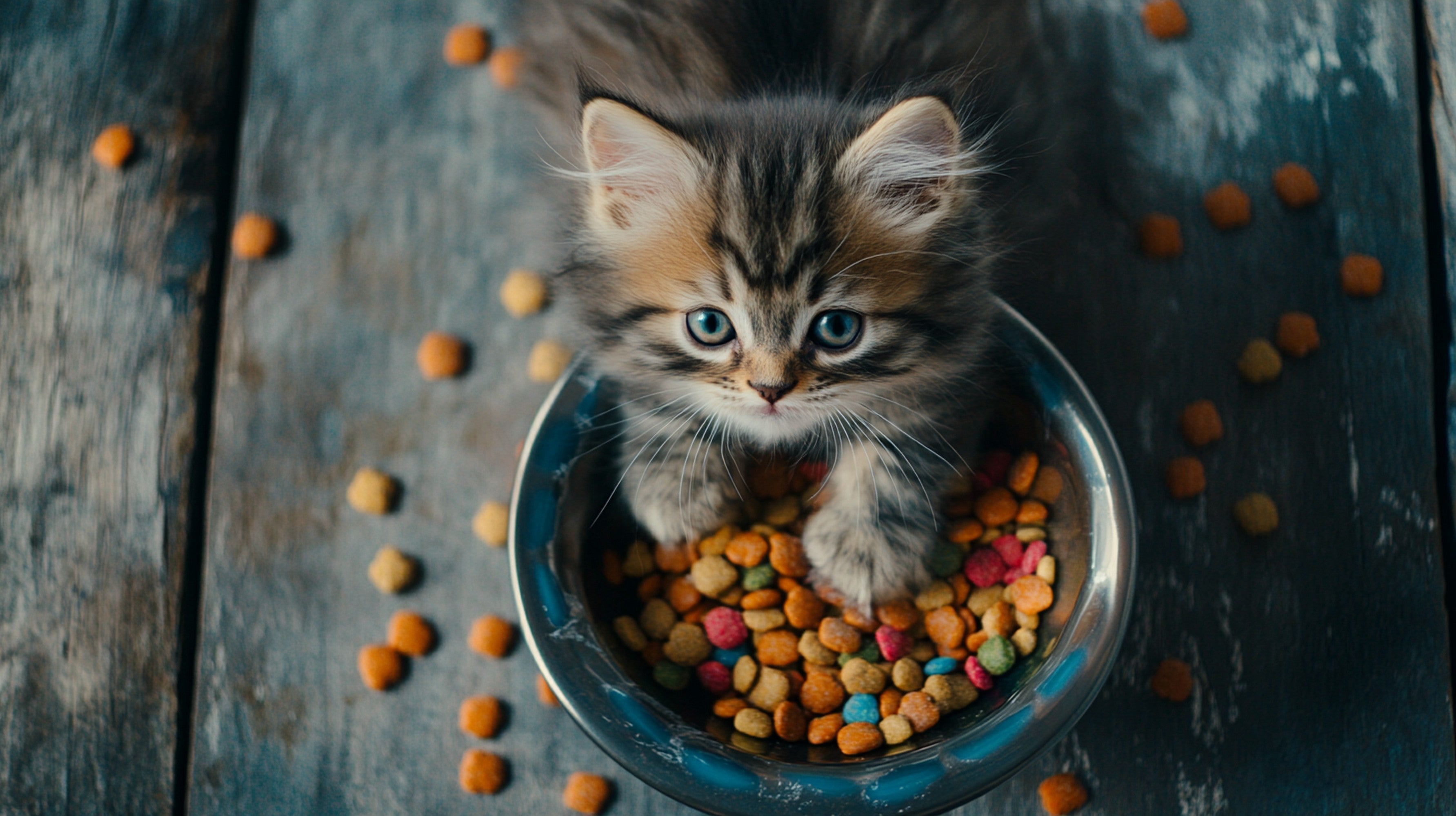
This is one question that each cat owner must ask at some point: what do cats like to eat most? Each cat has unique characteristics and likes, but years of study in cat nutrition and countless observations by owners have led to the establishment of some fairly common foods that are often found among the ranks of cats' favourite foods. In this article, we go through 15 such foods that appear among cats' favourite foods, explain why cats like them, and talk about the important safety considerations associated with giving cats food treats. We will also discuss how a well-thought-out cat food formulation, which Zoomies offers, can incorporate many of these favourite foods.
Why Cats Gravitate Toward Certain Foods
Cats are classified as obligate carnivores, and this means that their bodies are designed to obtain the great majority of nutrition from animal proteins. This biological factor gives insight into why the type of food that goes into the list of a cat's favourite foods includes meat, fish, and other high-protein foods, as cats have taste buds that can recognise amino acids and fats and not sweetness. The reason is that cats do not have the taste buds for sugar like humans and dogs, and therefore fruits and sweet foods do not feature on any favourite food list of cats.
The individuality of cats may be expressed even in such specifics. For example, some cats prefer warm and fresh food to chilled food since warming increases the smell, which is one of the main factors influencing the appetite of a cat. Other cats have certain texture preferences, preferring, for instance, wet food with pate consistency to shredded or chunked food and vice versa. The individuality of a kitten, an adult cat, and a senior cat may differ as well; thus, a kitten is usually curious about food and willing to taste everything, whereas an adult cat tends to eat only the favourite food they have been eating for years.
15 Foods That Regularly Top the Cats' Favourite Food List
1. Cooked Chicken
Cooked, plain chicken without any bones or skin is always high up on the list of the cats' favourite foods. This food is low in fat content, is a source of protein, and is similar to the prey-based diet that was natural for cats before. This food should always be unseasoned, without onions and garlic that are toxic for felines.
2. Tuna
Another favourite food of cats is tuna due to its distinct smell and good amount of protein. Tuna cannot be a regular food, as it does not have all the necessary nutrients and can be harmful in excess quantities, as it has been connected with thiamine deficiency and mercury intake.
3. Salmon
Cooked salmon is also one of the most popular cat foods as it contains many beneficial omega-3 fatty acids. Salmon should always be served cooked and boneless.
4. Sardines
Sardines are oily, small fish that are an excellent source of protein and fatty acids. They are among the favourite foods of cat owners who wish to provide variety in their pet’s diet. Go for the sardines packed in water and not in oils or brine.
5. Cooked Beef
Cooked beef is another familiar item in the list of favourite foods of cats. This meat is rich in protein and iron, which are necessary nutrients for cats, while the strong smell attracts the cat’s senses.
6. Cooked Liver (chicken/beef)
Organs such as liver are a great source of nutrients; hence, it will make the cat have a very positive response to it. However, the liver is rich in vitamin A; thus, one needs to feed it in small quantities due to the risk of vitamin A poisoning.
7. Eggs
Scrambled and hard-boiled eggs are safe to give to cats and are an excellent source of protein for them. Eggs should never be served raw, as raw eggs can have Salmonella bacteria and avidin, which affects biotin absorption.
8. Cheese (in Small Portions)
Some cats like eating cheese because it has a unique flavour for them. In small amounts, cheese sometimes ends up being included in favourite foods of cat polls. Cats are lactose intolerant to a certain extent, so it's best to offer cheese and other dairy products only sparingly, if at all.
9. Plain Cooked Turkey
Like chicken, plain cooked turkey is a good lean meat, so it's usually included in the favourite food of cat list. Do not give seasoned or stuffed turkey, and always remove all the bones from the meat you offer to your cat.
10. Pumpkin (Plain, Cooked or Canned)
Though it's not a protein source, plain cooked or canned pumpkin (but not pumpkin pie filling!) is often recommended by veterinarians to help with digestive issues, and cats usually like its bland flavour, making it a unique choice of favourite food of cat.
11. Cat Grass
Cat grass is grass grown especially for cats, like wheat, oats, rye, or barley grass; cat grass is not a nutritious food by any means, but it is almost universally loved as a food of choice by cat families keeping indoor cats. Chewing cat grass can help improve digestive health and assist cats in passing hairballs.
12. Catnip
Not a traditional food, but catnip deserves mention due to how well cats love it. Approximately 50-70% of cats are genetically sensitive to catnip's key ingredient called nepetalactone. It has become the most widely discussed element when talking about cats' favourite food or treat, although it is more of an enrichment food rather than a nutritional food.
13. Cantaloupe
Surprisingly enough, the cantaloupe is one of the rare fruits that is commonly mentioned as a food of choice by cat owners; this might be due to the fact that the cantaloupe smell resembles meat in terms of some chemical compounds. Offer small, seedless pieces occasionally.
14. Oatmeal (Plain, Cooked)
Plain cooked oatmeal without added sugar, milk, or any other ingredient is a rare treat for many cats that provides fibre in small quantities. The plain cooked oatmeal does not form a part of a healthy diet for cats but still finds a place on the list of cats’ favourite foods as an occasional novelty treat.
15. Wet Food (Commercial) with Real Meat/Fish Content
As an everyday food for their cats, many pet owners prefer high-quality wet food which is made up of real meat/fish ingredients, like Zoomies’ recipes. Wet food is a much better substitute for cats' prey-based diet because it contains more water and protein.
Foods That Should Never Be on the Cat's Favourite Food List
While it is exciting to discover the tastes of cats, it is equally essential to understand the foods that you should steer clear of. The list below includes toxic or unhealthy foods that should not be given to your pet under any circumstances:
-
Onion, garlic, leeks, and chives – these vegetables may destroy red blood cells and cause anaemia
-
Chocolate – contains theobromine and caffeine, which are both toxic to cats
-
Grapes and raisins – associated with kidney failure in some cases
-
Dough – will expand inside the digestive system and create alcohol while rising
-
Alcohol – in any quantity
-
Xylitol (present in some sugar-free products) – extremely toxic
-
Raw fish in large quantities – may lead to thiamine deficiency over time and pose a threat of bacteria
Excluding such foods from the diet is as essential as understanding the real preferences of your pet.
How Zoomies Supports Healthy, Favourite-Food-Inspired Feeding
Many of the ingredients that make it onto the list of favourite foods for cats are those such as real chicken, salmon, and other sources of lean proteins, which are exactly the types of high-quality, recognisable ingredients that an ideal diet should revolve around. The Zoomies product line revolves around creating meals made of real whole-food ingredients, which is the reason behind your cat's eagerness at meal times. Instead of using treats to cater to your cat's favourite foods, you may choose an everyday food among Zoomies foods that include real animal protein to turn almost every single meal into a favourite food of your cat.
When changing your cat's diet and switching to a new food, such as a Zoomies food, you need to do it gradually. Mixing a little of the new food with the old one and gradually increasing the ratio over one to two weeks is the best approach to minimise digestive upsets in your pet.
Tips for Introducing New Favourite Foods Safely
-
One new food should be introduced at once to watch for any adverse reactions.
-
The treats should make up not more than 10% of the total calorie intake per day, while the remaining 90% should come from a nutritious, well-balanced diet.
-
Cook the meats and eggs completely before feeding your cat with them.
-
Seasonings, salt, onions, and garlic should not be included in the homemade treats.
-
It is advisable to consult your veterinarian before changing the diet of your cat, especially if your cat suffers from diseases such as kidney failure, diabetes, or obesity.
How to Tell If a Food Is a Genuine Favourite
Just because some of the food that cats consume rapidly does not always mean that the food happens to be a favourite of theirs – cats may eat in response to hunger, out of boredom, or even just because of habit. There are some things to look out for which would indicate that a cat is eating their favourite food as opposed to just consuming food which they tolerate: the cat eagerly comes up to the bowl instead of approaching it reluctantly; the cat does not walk away and come back later after consuming the food; the cat remains interested in the next feeding session; the cat remains relaxed while eating, e.g., raises its tail or purrs.
Final Thoughts
Apart from making your kitty more satisfied during their meal times, being aware of the foods that your pet likes most can also make it possible for you to select snacks and meals that are appealing to the biological nature of cats. The cat's favourite food list is comprised of highly aromatic foods which include cooked chicken, salmon, or even plain cat grass or catnip. If you wish to choose one of the foods from the aforementioned list to provide your cat as a snack, as well as a regular meal, such as Zoomies, which uses only natural ingredients.
FAQs
1. What is a cat's favourite food?
Most cats prefer high-protein, meat-based foods such as cooked chicken, salmon, tuna, turkey, and high-quality wet cat food. Since cats are obligate carnivores, they naturally gravitate toward foods rich in animal protein.
2. Can cats eat human food safely?
Yes, some human foods like plain cooked chicken, salmon, eggs, pumpkin, and turkey can be offered as occasional treats. However, foods such as onions, garlic, chocolate, grapes, raisins, alcohol, and xylitol are toxic to cats and should never be fed.
3. Why do cats love fish so much?
Cats are attracted to the strong aroma and high protein content of fish like tuna, salmon, and sardines. These foods are highly palatable but should be fed in moderation as treats rather than complete meals.
4. How often should I give my cat treats or favourite foods?
Treats and supplementary foods should make up no more than 10% of your cat's daily calorie intake, while the remaining 90% should come from a nutritionally complete and balanced cat food.
5. How can I safely introduce a new food to my cat?
Introduce one new food at a time and gradually mix it with your cat's current diet over 7–14 days. Monitor for any digestive upset or allergic reactions, and consult your veterinarian if your cat has underlying health conditions.
Share:
Best Food for Persian Cats to Keep Them Healthy and Happy
10 Best Baby Cat Foods Recommended by Vets