

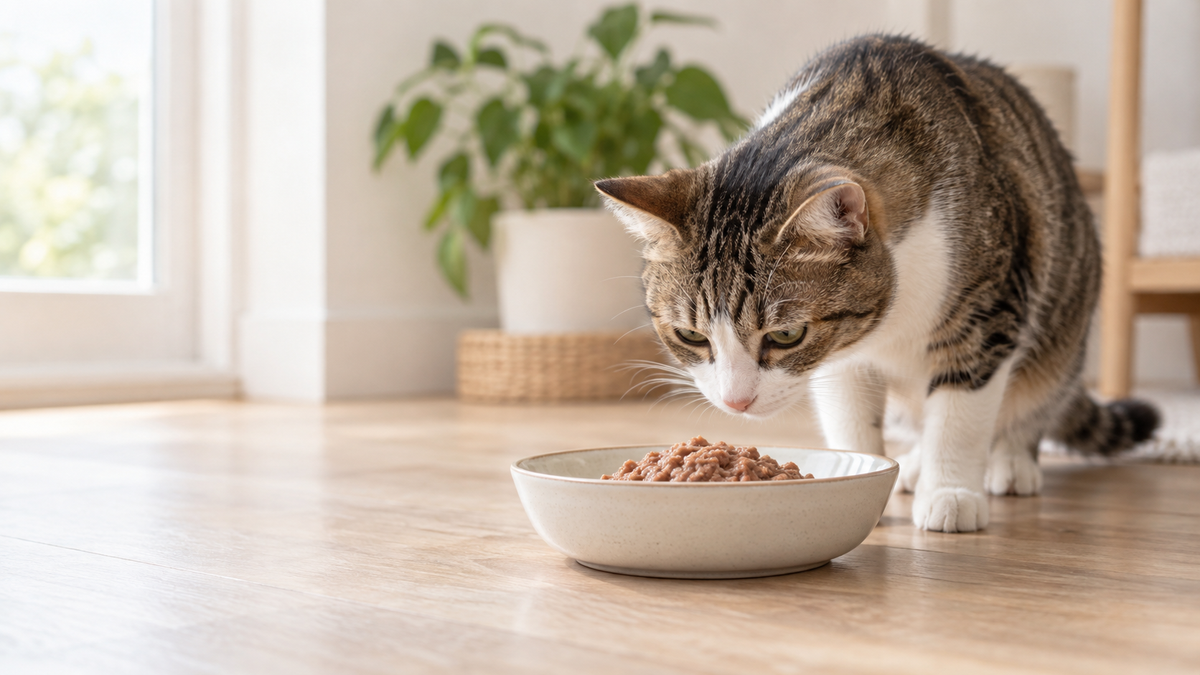
If you share your home with a cat who turns up their nose at dinner more often than not, you already know the frustration. You open a fresh can, set it down with hope in your heart, and watch your feline walk away without a single sniff. Finding the right cat food for picky eaters can feel like a never-ending trial-and-error game - but it doesn't have to be.
We believe that mealtime should be one of the happiest parts of your cat's day, not a daily battle of wills. In this guide, we'll break down why cats become fussy eaters, what to look for in the best food for fussy cats, and practical, vet-informed strategies to help your cat rediscover their appetite.
Why Is My Cat Refusing Food?
Before you can fix a picky eating problem, it helps to understand where it comes from. A cat refusing food isn't always about stubbornness - in fact, true pickiness is often a symptom of something else entirely.
1. Medical Issues
Sudden food refusal should never be ignored. Dental pain, gastrointestinal upset, kidney disease, and even minor infections can all make eating uncomfortable or unappealing. If your cat has stopped eating abruptly, especially alongside lethargy, vomiting, or weight loss, a vet visit should always come first.
2. Texture Preferences
Cats are remarkably particular about texture. Some prefer pâté-style wet food, others love shredded or chunky textures in gravy, and some cats will only eat dry kibble of a very specific shape and size. A cat who "refuses" one texture may happily eat another.
3. Temperature Matters
In the wild, a cat's natural prey is warm. Food straight from the fridge can feel unappetizing and even off-putting to a cat's sensitive nose. Slightly warming wet food to room temperature can make a surprising difference.
4. Sensory Sensitivity
A cat's sense of smell is far more powerful than ours, and their taste buds are tuned to detect protein and fat rather than sweetness. Food that smells "off," has been sitting out too long, or has changed formulas can trigger instant rejection.
5. Environmental Stress
Cats are creatures of habit. A new pet in the house, a recently moved food bowl, loud noises during mealtime, or competition with other animals can all cause a cat to avoid their dish altogether - not because of the food itself, but because of how and where it's served.
6. Boredom or Habituation
Interestingly, some cats become "bored" of the same flavor over time, while others become fixated on one flavor and refuse anything new. Both extremes require a thoughtful, gradual approach to variety.
What Makes the Best Food for Fussy Cats?
Not all cat food is created equal, and picky eaters often respond best to specific qualities in their meals. Here's what to look for:
High-Quality, Named Protein Sources
Cats are obligate carnivores, meaning their bodies are built to thrive on animal protein. Foods listing a specific protein first on the ingredient list - like chicken, salmon, or turkey - tend to be more palatable and nutritionally appropriate than those relying on vague "meat meal" or fillers.
Strong Aromatic Profile
Because smell drives a cat's appetite more than taste, foods with a rich, natural aroma (without artificial flavor enhancers) are often more successful in winning over a picky eater.
Moisture Content
Cats evolved from desert-dwelling ancestors and often don't drink enough water on their own. Foods with higher moisture content are not only easier to digest but also tend to be more enticing due to their softer texture and stronger scent release.
Limited, Clean Ingredients
Fussy eaters often respond well to simplified recipes with fewer additives, artificial colors, and unnecessary fillers. A shorter ingredient list can mean a more consistent flavor and texture the cat learns to trust.
Consistency Across Batches
One overlooked cause of picky eating is inconsistency - when a formula's flavor or texture varies slightly from batch to batch, cats notice immediately. Reliable, consistent recipes help build trust over time.
At Zoomies, our recipes are formulated with these exact principles in mind: real, named proteins, appealing aromas, and consistent quality your cat can count on meal after meal.
Why Wet Food for Picky Cats Works So Well
If your cat has been giving you the cold shoulder at mealtime, switching to wet food for picky cats is one of the most effective first steps you can take. Here's why:
-
Enhanced Aroma: Wet food releases a stronger scent than dry kibble, which is often enough to spark a disinterested cat's curiosity.
-
Softer Texture: Many cats - especially seniors or those with dental sensitivities - find wet food easier and more comfortable to eat.
-
Higher Hydration: Since cats often don't drink enough water, wet food supports kidney and urinary health while making meals more satisfying.
-
Variety of Formats: From smooth pâté to shredded and minced textures in gravy or broth, wet food gives you far more room to experiment and discover exactly what your cat prefers.
If your cat has always eaten dry food exclusively, transitioning to wet food should be done gradually. Start by mixing a small amount of wet food into their usual kibble, slowly increasing the ratio over one to two weeks. Sudden changes can sometimes cause additional refusal, so patience is key.
How to Encourage a Cat to Eat: Practical Tips That Work
Knowing how to encourage a cat to eat takes a mix of patience, observation, and a few tried-and-true tricks. Here are strategies that make a real difference.
1. Warm the Food Slightly
Popping wet food in the microwave for a few seconds (and stirring well to avoid hot spots) can bring out its natural aroma, mimicking the warmth of fresh prey and making it far more appealing.
2. Try the "Rotation" Method
Instead of offering endless new flavors (which can overwhelm a picky cat), rotate between two or three trusted proteins your cat already tolerates. This keeps meals interesting without triggering food-related anxiety.
3. Use Food Toppers
A small sprinkle of a flavorful topper - such as a bit of bonito flakes, a splash of low-sodium broth, or a specially formulated cat food topper - can make an unfamiliar or refused food suddenly irresistible.
4. Respect Whisker Fatigue
Deep, narrow bowls can cause a cat's sensitive whiskers to brush uncomfortably against the sides, discouraging them from eating. Switch to a wide, shallow plate or bowl to see if this simple change makes a difference.
5. Create a Calm Feeding Environment
Place food bowls away from loud appliances, foot traffic, and other pets. Cats prefer to eat in a quiet, low-stress area where they can keep an eye on their surroundings.
6. Stick to a Feeding Schedule
Free-feeding can sometimes contribute to pickiness, as food left out all day can go stale or lose its appeal. Try scheduled meals two to three times a day instead, removing uneaten food after 20–30 minutes.
7. Avoid Overusing Treats
If a cat fills up on treats throughout the day, they may have little interest in their actual meals. Limiting treats can help restore a healthy appetite for regular food.
8. Introduce New Food Gradually
When switching formulas, mix a small amount of the new food with the old, slowly increasing the ratio over 7–10 days. This reduces digestive upset and gives your cat time to adjust to new textures and flavors.
9. Rule Out Dental Discomfort
If your cat suddenly prefers wet food over crunchy kibble, or eats on one side of their mouth, dental pain could be the underlying cause. A vet check can rule this out.
10. Be Patient, Not Persistent
Never force-feed or scold a cat for not eating - this can create negative associations with mealtime altogether. Instead, offer food calmly, remove it after a short window if untouched, and try again at the next scheduled meal.
When to See a Vet
While most picky eating is behavioral or preference-based, there are warning signs that call for professional attention:
-
Refusal to eat for more than 24 hours
-
Noticeable weight loss
-
Vomiting, diarrhea, or lethargy alongside reduced appetite
-
Bad breath or visible dental issues
-
Sudden aversion to food they previously loved
Cats are especially vulnerable to a serious liver condition called hepatic lipidosis if they go without eating for too long, so prompt veterinary care is essential if fasting persists.
Building a Mealtime Routine Your Cat Will Love
Solving picky eating isn't about finding one miracle food - it's about understanding your individual cat's preferences and building consistency around them. Pay attention to which proteins, textures, and formats get the best response, and don't be afraid to keep a simple log of what works and what doesn't.
At Zoomies, we're committed to helping cat parents navigate exactly this kind of challenge. Our recipes are designed with real, high-quality proteins, appealing aromas, and the kind of consistent quality that helps even the fussiest cats learn to trust their bowl again. Because at the end of the day, a happy mealtime means a happy cat - and a happy you.
Final Thoughts
Dealing with a cat food for picky eaters situation takes patience, observation, and a willingness to experiment - but small, thoughtful changes can make a world of difference. Whether it's switching to wet food for picky cats, adjusting bowl placement, or simply warming a meal to release its aroma, these strategies stack up to create lasting change.
Every cat is different, and what works for one fussy feline might not work for another. But with the right approach - and the right food - mealtimes can go from a daily struggle to something your cat actually looks forward to.
Ready to give your picky eater something to get excited about? Explore Zoomies' range of cat food, made with real ingredients your cat can taste the difference in.
Share:
How Much Wet Food Should a Cat Eat Daily?
Bone Broth for Cats: Benefits, Serving Size, and How to Feed It