

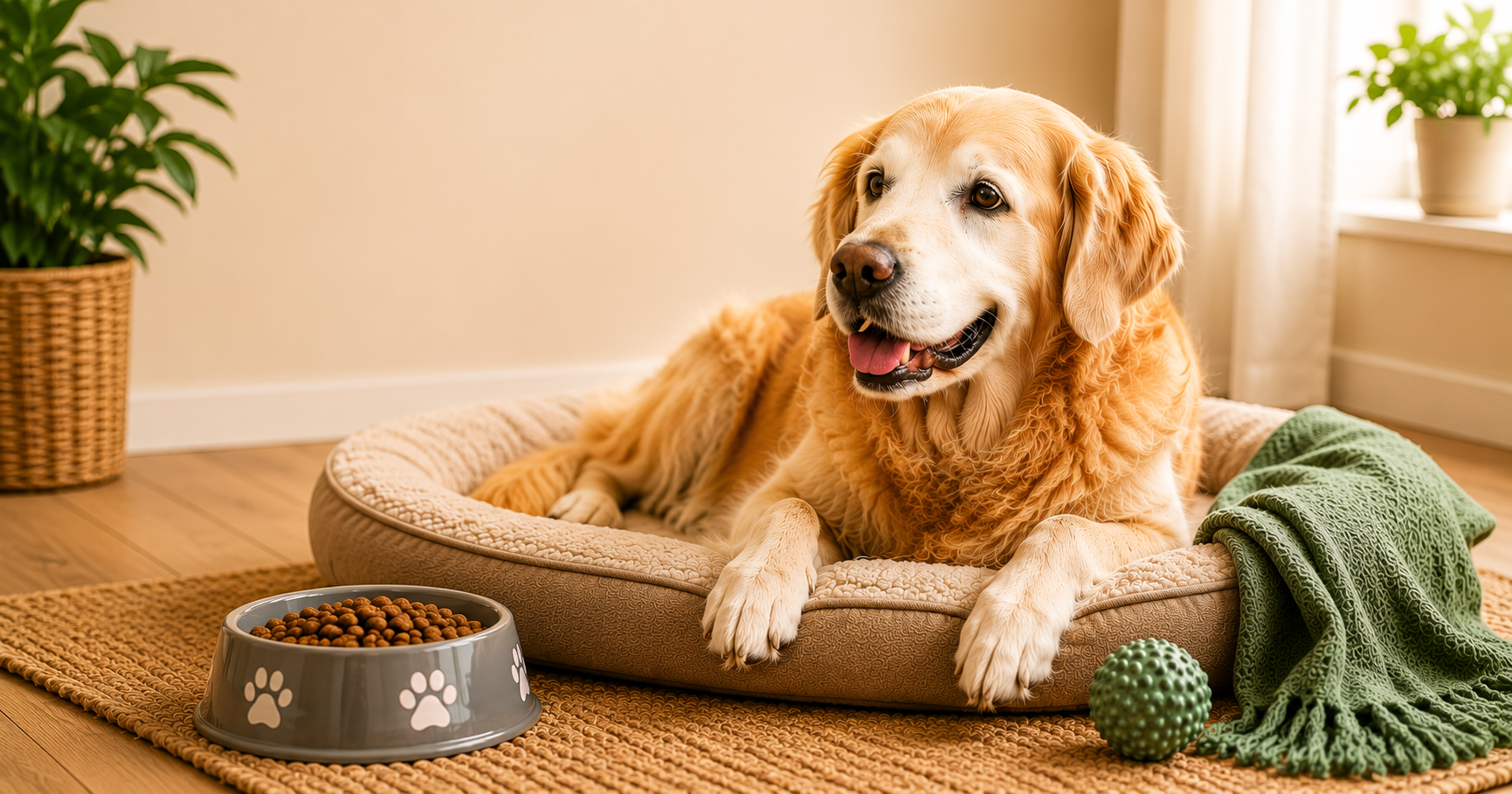
Growing old in the presence of your dog is sweetly bitter. Your pet that once ran to the door as soon as he hears the leash being brought will now take some time just getting out of bed. It will not wag its tail as much anymore, but it certainly still expects your visit. What's difficult now, though, is his new need for different types of care.
Feeding your dog the appropriate food is one of the most significant actions you can take to help him out. Senior dog food helps promote joint health and maintain muscle mass. In addition to supporting joint health and managing body weight, senior dog food helps support organ function in older dogs. Feeding your senior dog the best senior dog food means giving him all he needs.
Taking good care of your pet does not include feeding alone. You will find everything about feeding your old dog in this guide: the best diet for a senior dog, the necessary nutrients, dog food recipes, and tips to create the right feeding schedule.
When Does a Dog Become a Senior?
The age factor is subjective in dogs. Small dogs have longer life spans and are generally regarded as seniors at around 10-12 years old, whereas large dogs are regarded as seniors much earlier, starting from age 6-7 years old. The giant breeds, such as Great Danes, may display the signs of ageing even earlier than that.
Regardless of the size of your dog, the following age-related characteristics will be more or less the same: white hairs on its face, physical and mental decline, inactivity, weight loss or gain, poor hair quality, and behavioural changes. At that point, it is advisable to move your dog to senior dog food.
You should consult with your veterinarian for proper timing in making this change. It is generally advised by veterinarians that your dog be fed with senior dog food when it reaches the last one-third of its life expectancy.
Why Senior Dog Food Is Different
Senior dog food has to meet specific requirements due to changes that occur in an ageing organism. Metabolism rate slows down, muscles atrophy, there is a change in functions performed by the internal organs, and many seniors suffer from certain disorders, such as arthritis, kidney failure, and problems related to dental health.
Choosing food for senior dogs requires great caution; hence, one should look at labels when buying it. It must start with a named source of protein, such as chicken, salmon, lamb, or turkey, and should not contain much corn syrup or artificial colourings.
How to Care for an Old Dog: Building the Right Senior Dog Diet
It is important to learn what to put inside your ageing dog's feeding bowl in order to master the art of taking care of him. An adequate and organised senior dog diet is one that takes into account the pet's medical background, breed, body mass, capabilities, and existing health problems.
Portion Control
The quantity of food offered to the dog should be small because offering too much is not good. There is a likelihood of digestive complications and regulation of blood sugar. The bloating issue will also be avoided since the bloating problem happens in bigger dogs.
Discuss with your vet the number of calories required by your dog according to its size and overall health condition. There is usually an overfeeding tendency when dealing with older dogs because they do not participate in vigorous activities.
Hydration
Dehydration may prove to be a frequent issue in old dogs because their kidney functions are not function properly. One should make sure that one’s pet dog stays hydrated by ensuring it gets sufficient amounts of clean water. It would be a good thing if you gave some water to your pet while giving him dry food.
Recipes for Dog Food Homemade for Older Dogs
Many dog owners prefer to complement commercial dog food with homemade food or make the latter an exclusive part of their pets' diet. With dog food recipes for senior dogs, it becomes easy to control what is added to their bowl because sometimes a dog may have food intolerance.
However, before using homemade recipes, one should consult a veterinarian to ensure that there will be no problems associated with the diet.
Recipe: Salmon and Sweet Potatoes Combo
The recipe provides all necessary nutrients because salmon is high in Omega-3 fatty acids. Besides, the product is suitable for the canine digestive system.
-
200 g cooked salmon without skin and bones
-
1 cup of mashed sweet potatoes
-
1/2 cup of steamed green beans
-
1 tbsp. of fish oil
-
1/2 cup of cooked brown rice
It is necessary to combine all the components listed above and serve the dish at room temperature. The leftover food should be stored in a refrigerator and consumed within three days from the moment of preparation.
Joint Health: Keeping Ageing Dogs Moving
Joint pains are some of the major problems experienced by ageing canines. Arthritis, hip dysplasia, and osteoarthritis impact many old dogs and can cause significant harm to their overall health. Luckily, proper senior dog food in combination with healthy practices can ensure proper joint mobility for older dogs.
Vital Joint Supporting Nutrients
The following nutrients will have an important role to play in terms of joint health. First of all, glucosamine is a natural component that aids in repairing and regenerating cartilage tissue.
Glucosamine is one of the ingredients found in premium food for older dogs and joint supplements. It goes hand in hand with another ingredient called chondroitin, which helps prevent dehydration and decreases the vulnerability of the cartilage. Some other ingredients include EPA and DHA omega-3 fatty acids that possess anti-inflammatory effects and reduce joint inflammation while increasing joint mobility. There are two types of omega-3 fatty acids: one from fish oil and the other one being the supplements. Antioxidants like vitamins E and C protect the joints from oxidative stress related to ageing. Turmeric is a compound present in turmeric, which acts as an ingredient in pet food and supplements.
Low Impact Exercises for Elderly Dogs
It is important for you to keep in mind the fitness level of your elderly dog whenever he/she exercises. Excessive impact exercises might cause more pain and discomfort in the joints.
Daily Routine for a Senior Dog: Structure Matters
Another element of caring for an older dog is understanding that they need consistency in their lives. This involves feeding the dog at the same time each day to aid in their digestion and reduce any anxiety.
Morning
Start the morning slowly walking in the neighbourhood that requires minimal effort on the part of your animal friend, but will wake up his/her senses. When you return home, give your pet a little amount of dog senior food, preferably heated or with topper, in case the dog has a bad appetite. Joint supplements recommended by your vet may be added to the diet, if needed.
Afternoon
In the afternoons, your senior dog will require some sleep, as dogs tend to sleep a lot due to their age. Therefore, give your dog a place to sleep, preferably without drafts, so that your dog’s joints can rest once it gets out of sleep. When you think your dog is fully rested, take your dog out for a walk or play with it indoors.
Evening
The evening will require you again to provide your senior dog with a dinner, consisting of dog senior food, as at breakfast. Once your evening duties are done, it's time to spend time outside with the pet and go for a slow walk. Finally, returning to your apartment, you will find your pet asking for attention.
Choosing the Best Senior Dog Food: A Simple Checklist
A trip down the aisles looking at various dog foods in the market can be overwhelming. Here are several tips on selecting the perfect dog food brand for your senior dog:
Make sure there is an AAFCO declaration present on the package. The food should be in accordance with the nutritional standards of AAFCO for 'senior' or 'all life stages', which is the basic standard to look out for.
The first item listed should always be a named protein source. Having chicken meal, salmon, or any other such item as a primary ingredient is definitely a good thing. Avoid foods that have a grain or filler at the top of their list.
Glucosamine and chondroitin are two ingredients you should be looking for somewhere in the list of ingredients. Both are critical ingredients when it comes to maintaining joint health in older dogs.
Omega-3 fatty acid sources are essential for senior dogs as they help maintain their brain health and joints and improve their coat conditions. Flaxseed, fish oil, or fish products like salmon and cod can be used here.
Foods having corn, wheat, and soy dominating the list of ingredients should be avoided at all costs.
Finally, remember that a specific formula for a particular breed is important based on the body size of the dog being served. Small breeds and large breeds both have completely different requirements as far as calories are concerned.
At Zoomies, we believe that good senior dog food will be healthy, informative, and based on your dog's current life stage. It doesn't matter whether it's dry food, wet, raw food, or even a mixture – what really counts is consistency and proper diet management.
And with joint health care, routine, and lots of attention from you, your older dog will be able to enjoy life at any age. He's provided you with his best years. And it's time you gave him yours.
FAQs
What is the best diet for senior dogs?
Senior dogs require a nutritionally balanced diet containing proteins, joint supplements, fats, and other digestible foods to ensure proper mobility and weight management.
What are some healthy homemade dog food recipes for senior dogs?
Some simple meals that can be prepared at home for senior dogs may contain ingredients like boiled chicken, pumpkin, rice, carrot, sweet potato, and eggs.
What is the best senior dog food for older pets?
Choosing the best senior dog food for your pet will depend on their breed, size, and any health conditions, but generally speaking, those with joint supplements, fewer calories, and vitamins work well.
How should you care for an old dog at home?
Elderly dogs require regular vet visits, soft beds, exercise, brain-stimulating games, and nutritious meals to remain comfortable and active.
How often should senior dogs be fed?
For most senior dogs, feeding twice a day can be very effective in terms of promoting proper digestion and energy levels.
Share:
Pet Allergies in India: Common Causes & Diet Fixes
Wet vs Dry Dog Food: Which Is Better for Indian Climate?