

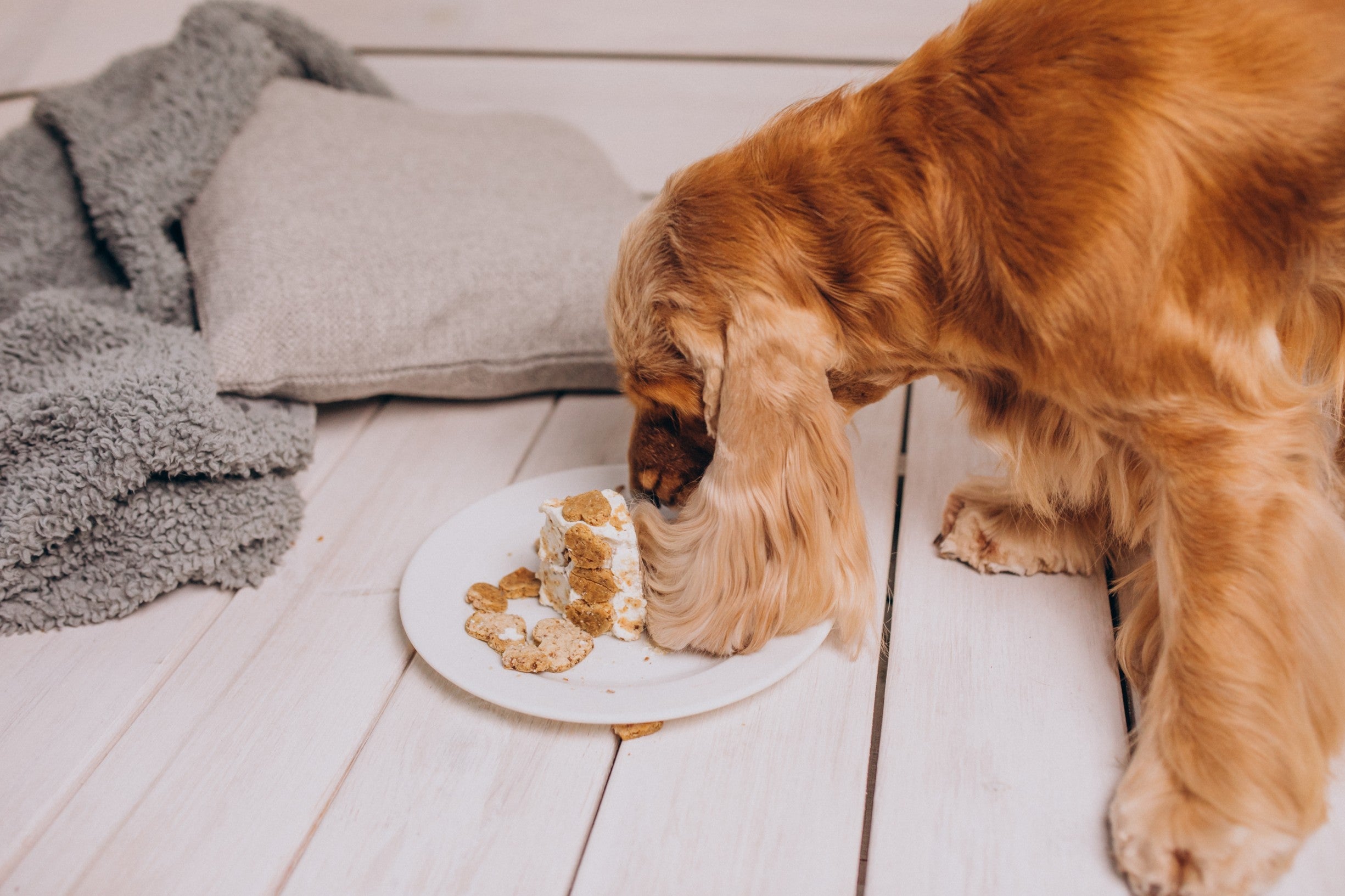
Food allergies in pets are one of the most commonly undiagnosed conditions in Indian pets, since not only do they share symptoms with numerous other diseases like seasonally-induced skin problems, fungal infections, and flea allergy dermatitis, but their connection to the diet may not be immediately apparent if the allergic response is developed gradually over a long period of time.
The article covers everything one needs to know about pet food allergy in India: reasons for the disease, methods of distinguishing it from other forms of allergies, identifying the allergen, and, most importantly, the kind of food that should be fed to the diseased dog or cat, considering that there are fewer options in India compared to the Western world, although more than one would have thought possible.
Pet Food Allergies vs. Food Intolerance: The Difference Matters
Allergic reactions to pet food have something to do with immunity. The animal reacts to a specific protein found in the pet food by thinking it is harmful to the body, hence producing antibodies to fight it off. Subsequent exposures lead to more intense and rapid reactions from the immune system. Some common signs of food allergy in both cats and dogs include scratching, rashes, hair loss, recurring ear infections, and excessive licking of their feet.
Food intolerance does not have an impact on the immune system since an immune response is triggered by the digestive process itself. In case a dog has difficulty producing enough enzymes that would enable it to digest lactose properly, it will feel nausea and diarrhoea after consuming milk; however, this would not trigger any reaction from the immune system.
When an owner removes the triggering food source from a pet’s diet, the problem becomes easier to manage. Misdiagnosing a food intolerance as a food allergy will mean unnecessary time being spent on costly elimination processes. On the other hand, misdiagnosing a food allergy as an intolerance means immune damage and progressive symptoms.
What Causes Pet Food Allergies? The Indian Context
Pet food allergies occur against proteins; animal proteins in the majority of cases, but there are also cases involving plant proteins. In order for an allergic reaction to take place, the body must be subjected to a certain degree of contact with the allergenic protein. Therefore, pet food allergies occur due to exposure to a food ingredient that the animal has been consuming for a long period of time, years, not months.
This leads to the seemingly contradictory situation where the component that you've been feeding your pet all its life turns out to be the cause of pet food allergies. This means that your dog has eaten the same chicken kibble, roti scraps, and eggs for three years now and is now developing an allergy to his staple diet, while the newly added food is unlikely to be the trigger.
Chicken is the number one allergen for Indian dogs; again, just because it is the most prevalent protein component found in mid-level Indian kibbles. Buffalo and beef are close followers. Among cats, chicken and fish top the list when it comes to allergens.
|
Allergen |
Affects Dogs? |
Affects Cats? |
Common Indian Sources |
|
Beef / Buffalo |
Yes - very common |
Yes |
Budget kibble, home-cooked meals |
|
Chicken |
Yes - most common in India |
Yes - very common |
Nearly all mid-range Indian kibble and wet food |
|
Wheat / Maida |
Yes - common |
Moderate |
Roti scraps, most budget dry food |
|
Dairy (milk, paneer) |
Yes |
Yes |
Home feeding - very common in India |
|
Eggs |
Moderate |
Moderate |
Home-cooked diets |
|
Fish |
Moderate |
Yes - common |
Coastal region diets; wet cat food |
|
Soy / Maize |
Yes |
Less common |
Filler ingredient in budget Indian kibble |
|
Rice |
Rare |
Rare |
Most Indian home-cooked pet food |
Recognising Pet Food Allergies: Symptoms in Dogs and Cats
The presentation of symptoms in pet food allergy is quite distinct from environmental allergies and other disorders to make a diagnosis possible, although testing must still be performed with an elimination diet. The following symptoms are characteristic in dogs and cats:
|
Symptom |
Dogs |
Cats |
|
Skin/coat |
Itching, red patches, hot spots, hair loss around ears, paws, groin |
Over-grooming, bald patches, miliary dermatitis (tiny scabs) |
|
Ears |
Chronic ear infections, brown waxy discharge, and head shaking |
Waxy dark discharge, scratching at the ears |
|
Gut |
Loose stools, mucus in stool, vomiting after meals, excessive wind |
Vomiting after eating, diarrhoea, and weight loss despite eating |
|
Paws |
Obsessive licking and chewing of paws; reddish-brown saliva staining |
Less common; occasional paw chewing |
|
Face/eyes |
Facial rubbing on carpet or furniture, swollen lips or muzzle |
Facial itching, eye discharge, swollen face in severe cases |
Diagnosing Pet Food Allergies: The Elimination Diet Trial
The sole test capable of diagnosing food allergies in animals is the diet elimination trial, which requires eight to twelve weeks of strict monitoring. Blood tests and skin prick tests that are available on the market today lack reliability and should not be used on their own since they yield a lot of false positives and negatives.
The diet elimination trial is based on the principle of excluding the allergens from the patient's diet by eliminating all the existing food proteins and feeding the animal with proteins that it has never come across (novel proteins) or with hydrolysed proteins that were broken down into fragments so tiny that the immune system cannot react to them.
Diet Fixes: The Best Pet Food for Dogs and Cats with Allergies in India
Once pet food allergies are diagnosed using an elimination trial, then the lifelong dietary objective remains straightforward – eliminate the allergen from the diet and use a healthy, balanced substitute instead. Your options to achieve this goal in India include: hypoallergenic food, novel protein food, or a veterinary-prescribed cooked diet.
Option 1: Hydrolysed Hypoallergenic Dog Food India – How It Works
In case pet food allergies are confirmed and require dietary management, then hydrolysed diets remain a top choice. This type of diet uses proteins that are enzymatically split into fragments with a molecular weight under 10,000 daltons, which means your dog's immune system will never recognise them as foreign substances.
Option 2: Novel Protein Limited-Ingredient Diets
If your pet food allergy case involves only one allergen and you know its identity, a limited-ingredient novel protein diet will do the job and be much cheaper compared to hydrolysed foods. Such a diet contains only one protein (confirmed to be safe) and one carbohydrate source.
Option 3: Vet-Formulated Home-Cooked Diet
For many Indians having pets, a homemade elimination diet under the supervision of a veterinarian is the most viable option. An example would be a diet containing goat or mutton meat with sweet potatoes, along with supplements provided by the veterinarian. For cats that are allergic to fish and chicken found in their cat food, rabbits and quails, with the help of supplements, are good alternatives.
Practical Feeding Tips for Pets with Confirmed Pet Food Allergies
Treats Are Not Exempt
Treats form one of the top offenders that contain allergens, even when you are managing your dog’s diet well. If your dog is allergic to chicken and is on a lamb hypoallergenic diet, chicken-flavoured treats and chicken-coated bones will result in an allergy flare. All treats should come from the list of confirmed safe proteins. For instance, in India, you can offer mutton sticks, sweet potato, or safe, protein-rich home-dehydrated treats.
Cross-Contamination from Shared Bowls
In situations where multiple pets feed together from multiple diets, as may happen commonly in India, the pet with food allergies should be fed in isolation from others. Any trace amounts of the allergenic protein left behind in a shared feeding bowl will set off allergies in the affected pet. The bowl needs to be washed separately in hot water after each meal.
When It Is Not Pet Food Allergies: Environmental Triggers to Rule Out
There are a host of environmental allergies in India, causing symptoms virtually indistinguishable from those associated with pet food allergies. Before embarking on an extended elimination diet trial, you need to rule out these allergens first with your vet’s help:
Flea Allergy Dermatitis (FAD)
This condition represents the number one reason for itchiness and skin issues in Indian pets. Only one flea bite every seven days is needed to induce chronic itching in a flea-allergic animal. Flea prevention is crucial and should not be stopped in any way during the pet food allergy elimination period.
-
Dust Mite Allergy: Common among Indian dogs and cats, especially prevalent in humid environments during the monsoons and post-monsoon seasons, when there is an explosion in the number of house dust mites.
-
Mould Spore Allergy: Post-monsoon fungi that thrive in walls, beneath furniture, and inside dirty food bowls provoke severe skin reactions in sensitive pets.
When to See a Veterinarian and What to Ask
See a vet before embarking on any elimination diet procedure. If your pet is experiencing severe symptoms, request a referral to a veterinary dermatologist who will guide you on the next course of action if your pet's condition has worsened despite the treatment. During your visit, make sure to provide:
-
Your pet's dietary history in the last three months; this includes foods, treats, leftovers from your meals, and flavoured medications
-
The timeline of symptoms, that is, when the itching, ear infections, or digestive problems started and whether there is a relationship between diet changes and these conditions
-
Pictures showing your pet's skin lesions during their worst state, since the skin condition may have improved by the time you visit your vet
-
Any products used so far, and if there was any improvement
Be direct and ask your vet if your pet's condition might be due to pet food allergies and if a diet elimination process is necessary. The truth is that most general veterinarians in India prescribe steroids and antibiotics, which work well in the short term but do not resolve the pet food allergy issue in the long run.
Certain pets might not tolerate synthetic floors, rubber dishes, or plastic bowls. For instance, stainless steel bowls can be considered for free without going through the whole procedure of the dietary elimination test.
In truth, it is hard to handle pet food allergies since it is quite easy to manage it – just remove the cause. Nevertheless, it requires lots of patience and determination to accomplish. It entails observing every food that your furry friend consumes within three months.
Contrary to other chronic illnesses, pet food allergies can easily be managed after identifying the root cause of the problem. This will improve the skin, digestion, and health status of your furry friend.
Talk with your vet about the option of conducting an elimination diet trial. Moreover, this article can help you understand the procedure. The cause might be hidden in your pet's bowl.
Zoomies offer specially designed pet diets with minimal ingredients, which can be helpful for owners of allergic dogs and cats.
FAQs
What are the common signs of food allergies in dogs and cats?
Itchiness, ear infection, skin irritation, excessive licking, vomiting, diarrhoea, and digestive issues are some of the most common symptoms of food allergy in dogs and cats.
What is hypoallergenic dog food?
Food items that contain limited or special ingredients are called hypoallergenic foods, which are less likely to cause food allergies in pets.
What is the best pet food for dogs with allergies?
The best food item for an allergic pet usually has clearly specified protein and limited ingredients.
Can cats develop food allergies, too?
Yes, cats can develop food allergies resulting in various physical symptoms such as skin irritation, hair loss, vomiting, diarrhoea, or even excessive itching.
How do I identify my pet’s food allergy?
A trial test involving the elimination of a suspected ingredient is normally done to confirm a food allergy.
Share:
How to Toilet Train a Puppy: 7-Day Guide for Indian Pet Parents
Senior Dog Care: Food, Diet, Joints & Daily Routine