
Having a puppy at home is indeed something exciting. However, finding the right puppy food for him can be quite an issue even before anything else. New owners of puppies will always hear lots of terms like "puppy formula," "starter food," or "baby dog food," but never learn what it all means, why it differs from adult food, and how long it should be used. This article is intended to clear up all that confusion, along with the basic knowledge about nutrition and selection of the right baby dog food for your new furry friend.
What Is Baby Dog Food?
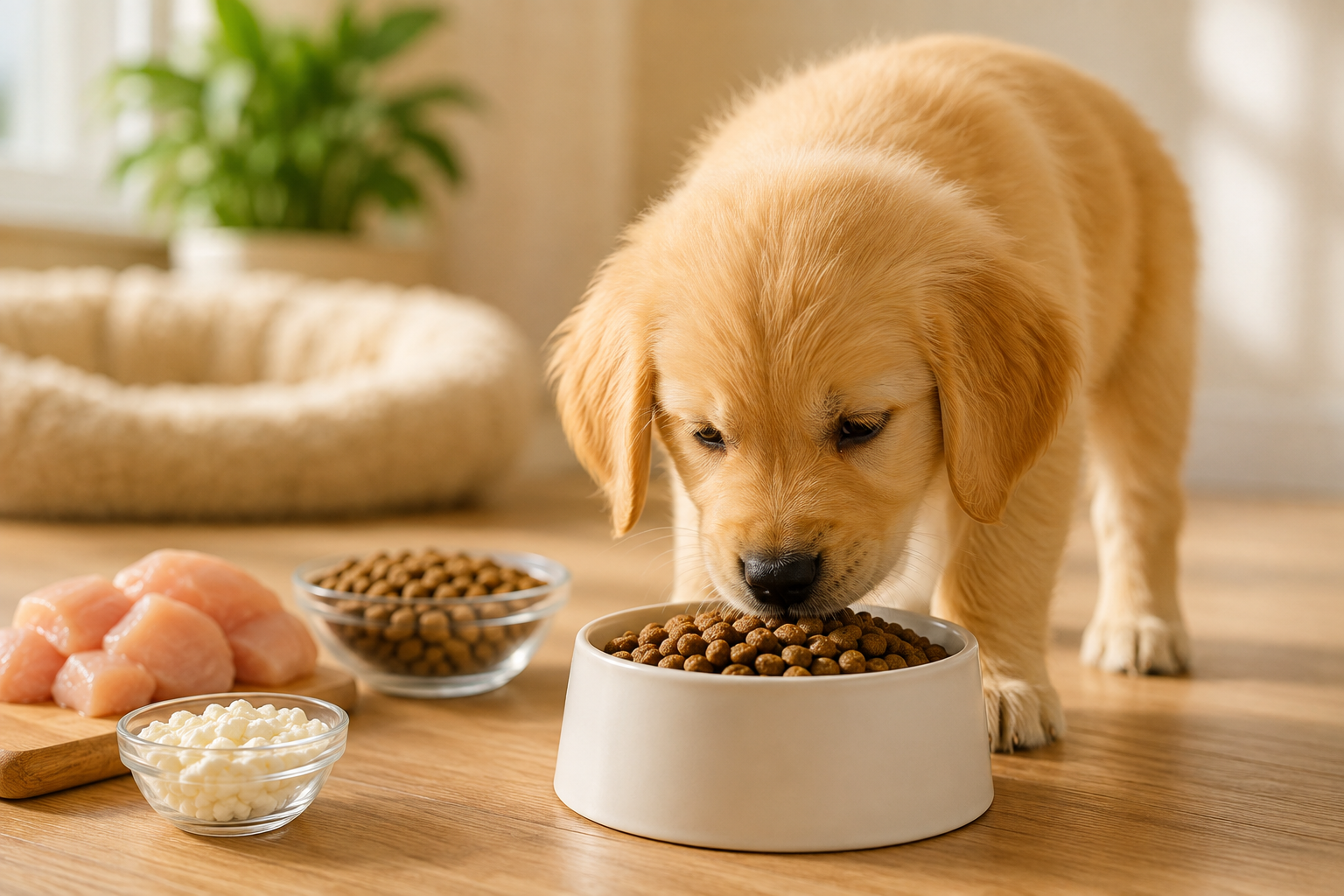
Baby dog food is just another term for puppy food or food made especially for puppies that are in the quickest stage of their growth and development, usually within the period from weaning until they turn one year old. While adult dog food provides more balanced nutrients, baby dog food contains more protein, fat, calcium, and DHA to aid puppies in their bone, muscle, and brain development.
Pet owners generally interchange the terms “baby dog food” and “baby food for dogs,” and both terms actually refer to the same type of food, which is made especially for puppies and not for adult dogs. This is important to know since feeding an adult dog’s formula at an early age, or vice versa, will cause malnutrition problems.
Why Baby Dog Food Is Different from Adult Dog Food
It is easy to believe that there are no differences between dog foods other than the size of their packaging. However, there are some key differences in the composition of puppy dog food:
-
High protein content, necessary for building muscles and tissues at the stage of active growth.
-
Additional amount of good fats, especially DHA for proper brain and eye development.
-
Balanced calcium and phosphorus ratio, especially important in order to prevent bone diseases in large breed puppies.
-
Small kibble or soft food, suitable for small mouths and emerging teeth of puppies.
-
More calories per gram of the food, as the metabolism of puppies is faster compared to their body mass.
Failure to feed a puppy with a specially designed baby food will fail to meet its development needs.
When Should You Start Baby Dog Food?
A puppy can be introduced to baby dog food at about three to four weeks of age when he starts to wean from his mother’s milk. He will be completely adapted to baby dog food by the time he reaches six to eight weeks old, but after that point, he can then start on dry dog food.
The duration a puppy stays on baby dog food depends largely on breed size:
|
Breed Size |
Typical Puppy Growth Period |
Approximate Baby Dog Food Duration |
|
Small breeds (e.g., Pug, Shih Tzu) |
9-12 months |
Up to 10-12 months |
|
Medium breeds (e.g., Beagle, Cocker Spaniel) |
12 months |
Up to 12 months |
|
Large breeds (e.g., Labrador, Rottweiler) |
12-18 months |
Up to 15-18 months |
|
Giant breeds (e.g., Great Dane, Saint Bernard) |
18-24 months |
Up to 18-24 months |
This is why there's no single "correct" age to stop baby dog food; it depends heavily on your puppy's breed, size, and individual growth rate, ideally confirmed with your veterinarian.
How to Choose the Right Baby Dog Food
With so many products claiming to be baby food for dogs, it is useful to understand the factors that actually matter in the labeling of these foods. Consider choosing a product that has:
-
Specific protein sources (such as chicken, duck, fish) rather than general terms such as "meat meal" and "animal derivatives."
-
No additional fillers or by-products, which add no value but just reduce the nutritional content.
-
Age-specific labeling that states "for puppies" and not "all life stages."
-
Digestibility, which means softer foods in steam-cooked or wet form rather than the dry kibble.
-
Nutritional value that can be verified through lab tests and not just claims from the marketing people.
-
No artificial preservatives, colors, and flavor enhancers that provide no nutritional value and could upset the digestive system of some puppies.
In essence, a good baby dog food is supposed to be far away from being a "diet product," but more of an actual nutritious food that would lay the foundation for your pet's future.
The Building Blocks of a Good Baby Dog Food
In addition to ingredient sources, it is important to have an idea about the basic nutritional needs of a dog's body from baby dog food. Even though requirements may differ depending on the breed and the size of the animal, the main nutritional components used in good baby dog food will include:
-
Protein (about 25-30% on a dry matter basis), which is needed to develop muscles, repair tissues, and help build up the puppy's body.
-
Fat (about 12-20%), which serves as a high-energy component and promotes skin and coat health; DHA, in particular, is important for brain and vision development.
-
Calcium and phosphorus, whose ratio should be balanced (1.2:1), because of their importance for bone development, especially for medium and large-breed puppies. Imbalance of these nutrients often leads to skeletal problems in dogs later in life.
-
A moderate amount of digestible carbohydrates to ensure fast energy intake, which is not excessive for the immature digestive tract of the puppy.
-
Vitamins, including vitamin E and zinc, that play a role in strengthening the immune system.
-
One function during a period when puppies are especially vulnerable to illness.
Good-quality brands of baby dog foods provide this information openly, either on the packaging or in a lab-certified nutrition facts panel, rather than using vague phrases like "complete and balanced." When choosing the right baby food for dogs among different brands, this transparency is a much more valuable factor than the price or the quality of the packaging.
Well-intentioned owners may commit some unnecessary errors when providing their puppies with baby dog foods:
-
Overfeeding. Small puppies require small feedings throughout the day, since their tummies are small but they need lots of energy.
-
Abrupt change in diet. Sudden changes in a puppy's diet may harm his fragile digestion. It is better to make this transition over 7-10 days.
-
Free-feeding without portion control. It will be impossible to estimate the amount of food consumed by a puppy if it is allowed to eat anytime.
-
Skipping the transition period to adult dog food. Baby dog food should not be given for too long – when the puppy reaches the age corresponding to its breed.
-
Choosing based on packaging alone. Bright packaging and bold claims don't always reflect the actual quality of the baby food for dogs inside the bag or pouch.
These are common mistakes that are quite easy to make, especially for those who have just welcomed a puppy into their family. However, with the right information, these mistakes can be easily avoided. The objective of feeding baby dogs is not merely to feed them but also to ensure that they develop healthily without overwhelming their systems.
Zoomies Dog Food: Real Ingredients for a Real Start
At Zoomies, the philosophy behind our dog food, including our approach to baby dog food, starts with a simple observation: much of the pet food industry hides fillers, by-products, sugars, and artificial additives behind polished packaging and vague nutritional claims. Zoomies was built specifically to move away from that approach, with real, whole-meat recipes, clear nutritional values, and no hidden fillers or fluff.
Although each puppy requires different things, Zoomies provides a selection of laboratory-tested natural products that form a good, safe, and reliable basis to help young puppies switch over to solid food:
-
Trial Pack - A package containing a selection of Zoomies' products, allowing you to try several types of their food before buying a larger package. It is a safe way of introducing a puppy to baby dog food.
-
D-OG Stuff (Chicken & Duck) - One-ingredient steamed wet dog food without any fillers, preservatives, or artificial jelly that will be easy to digest for a puppy's stomach.
-
D-OG Stuff with Magic Dust - Starter kit that contains steamed one-ingredient wet food and also an instant broth.
-
Hypoallergenic Dog Food Trial Pack - A good choice for those puppies that have food allergies.
Every Zoomies product is formulated with real, named meat as the primary ingredient, free from by-products and unnecessary fillers, and supported by third-party lab testing — reflecting our broader commitment to honest, meat-first nutrition rather than clever marketing. For puppy parents exploring baby food for dogs for the first time, this transparency can make a genuine difference in feeding confidence.
Transitioning from Baby Dog Food to Adult Food
As the puppy slowly approaches the adult stage, it is time now to start weaning it from the baby dog food to the adult dog food. One way that you could do this is by adding some adult dog food to the baby dog food and gradually increasing the percentage within 7-10 days.
While doing this, it is important to observe the following signs to ensure that the process is proceeding successfully – energy, good stools, a nice coat, and good appetite during feeding times.
Final Thoughts
Selecting a suitable baby dog food is among the most important things you will do for your puppy during his first year of life. This determines his development, health, and attitude towards food later in life. Avoid all those commercial gimmicks and concentrate on genuine ingredients and age-specific formulations.
This is where Zoomies comes in handy, with a range of naturally formulated and tested baby foods designed with genuine meat.
Share:
Why High Protein Dog Food Is Essential for Your Dog's Health
Best 5 Dog Foods for Rottweilers in 2026