

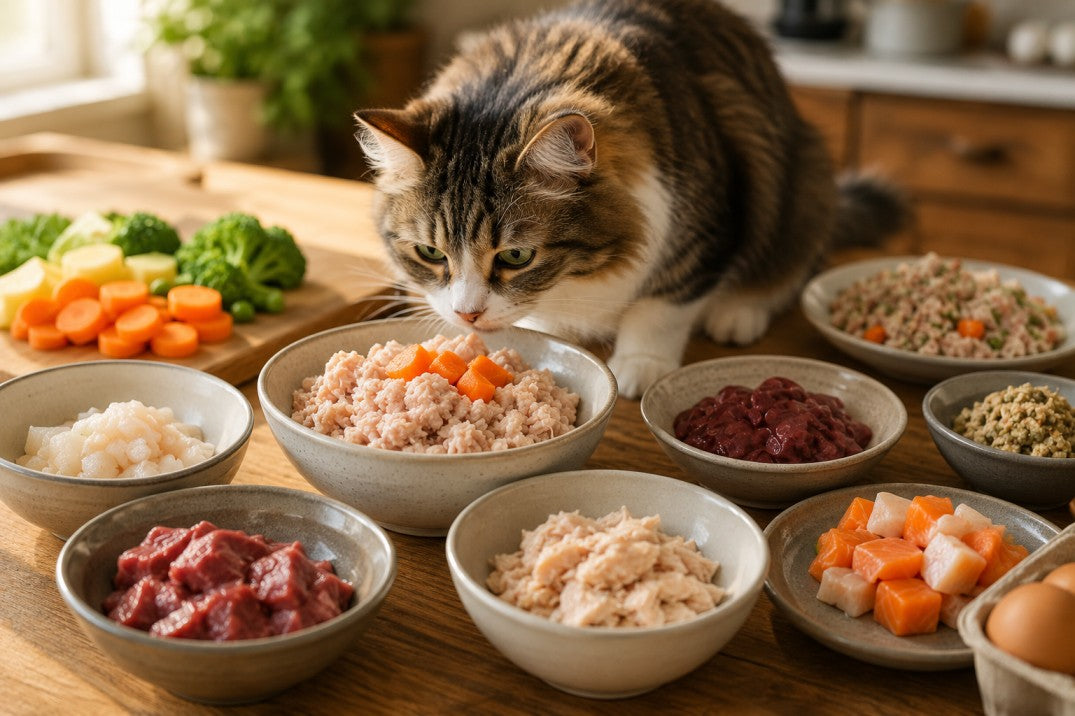
If you are looking for ways by which you can provide your cat with healthy and fresh food, then there is a great possibility that you might have come across homemade cat food. This is because of the growing awareness that cat owners turn to homemade cat food recipes to make sure that their cats are not exposed to unhealthy things.
This article will provide you with all the information about home-cooked cat food and ten homemade cat food recipes suggested by veterinarians, and in addition, the usage of Zoomies Cat Food instead of homemade cat food.
Why Consider Homemade Cat Food?
But the thing is that cats are obligate carnivores who are designed to eat protein exclusively. And it is precisely for that reason that there has been a rise in the demand for homemade cat food because you will be able to give your cat only healthy proteins, organs, and fats with no artificial additives. Moreover, by preparing homemade food for your cat, you will be able to give your pet the right food to cope with allergies, sensitivities, and diseases.
But preparing your own homemade cat food is not such an easy task since your cat needs food that should contain taurine, calcium, phosphorus, and many other fatty acids. In that case, it would be smart of you to discuss the ways how you can make sure your homemade cat food will provide your pet with all the necessary nutrients. But if you don't want to prepare the meals yourself, give a try to Zoomies Cat Food, which is prepared by nutritionists for those people who believe in homemade cat food.
How to Make Homemade Cat Food Safely
-
A basic idea of how to prepare homemade cat food is to know certain guidelines:
-
Use only fresh quality proteins. Chicken, turkey, beef, rabbit, and fish should be used when preparing homemade cat food.
-
Include organ meat in your homemade cat food preparation. The liver and other organ meats should be included in any homemade cat food recipes.
-
Include a source of taurine or add a taurine supplement. A lack of taurine can be very dangerous for cats eating homemade food; do not forget about that.
-
Cook the meat to kill possible bacteria (unless you follow a raw feeding protocol).
-
Do not include toxic foods like onion, garlic, chocolate, grapes or too much salt in homemade cat food.
-
Store properly and in appropriate portions. Homemade cat food can be stored in a refrigerator for 2-3 days or frozen for up to 2 months.
Now that you know how to do all this, cooking food for your cats will be easy enough, and your cats will definitely appreciate it, running in circles around your living room after getting their dose of energy from it.
What Is the Best Homemade Food for Cats?
One of the most common questions from the part of people who got their first cat would be: what would be the best homemade cat food recipe? I have to say, there is no such thing as best homemade cat food, but only the right homemade cat food with high-protein content and balanced nutrients for your cat in particular. Here we will provide you with 10 best homemade cat food recipes.
10 Homemade Cat Food Recipes
1. Classic Homemade Cat Food with Chicken and Liver
The classic homemade cat food recipe includes boiling chicken thighs, a little piece of chicken liver, egg yolk, and fish oil. This recipe is ideal for those who have never tried homemade cat food, as the components used here are rather cheap and accessible. Just shred cooked meat, add chopped liver, and add a taurine supplement.
2. Homemade Cat Food with Turkey and Pumpkin
Lean protein, such as turkey, is perfect for homemade cat food recipes for cats that have digestive problems. To increase fibre content in the meal, use a bit of plain pumpkin puree, fish oil, and a calcium supplement.
3. Homemade Cat Food with Beef and Sweet Potato
For those cats who enjoy something rich, this homemade cat food recipe will suit them perfectly, including lean ground beef, a little portion of steamed sweet potato, and beef liver. But sweet potatoes should be used in minimal quantities, as carbohydrates are not required by cats' organisms.
4. Salmon and Rice Homemade Cat Food
The homemade cat food based on fish is recommended for cats requiring additional omega-3 fatty acids for their healthy skin and coat. The recipe entails cooking salmon and combining it with some white rice and a supplement containing taurine and calcium. One of the most gentle homemade cat food recipes.
5. Rabbit and Egg Homemade Cat Food
Rabbit is a unique protein source that can be recommended to cats with food sensitivity. The homemade cat food recipe entails cooking rabbit, mixing it with a cooked egg, and adding some eggshells ground into powder as the calcium source.
6. Duck and Blueberry Homemade Cat Food
As mentioned above, duck meat is a favourite meat among many cats. The duck meat combined with some mashed blueberries and a fish oil supplement serves as another homemade cat food recipe.
7. Homemade Cat Food for Kittens with More Chicken and Egg Yolk
Since kittens require more calories and fat compared to adult cats, this recipe includes more egg yolk and chicken fat in this homemade cat food recipe. Before trying out this recipe on kittens, it’s recommended to consult with the vet first.
8. Homemade Cat Food for Older Cats with Shredded Turkey and Bone Broth
For senior cats that require softer and moisture-packed meals, this homemade cat food recipe features finely shredded turkey cooked in low-sodium bone broth that not only softens the food, but is also good for their kidneys since this is one of the key concerns when preparing homemade cat food.
9. Homemade Cat Food for Cats That Require Weight Loss with Chicken and Green Beans
For cats that need to lose a little weight, this calorie-free homemade cat food recipe replaces any added starches with steamed green beans.
10. Chicken Ground Raw-Style Homemade Cat Food (For Experienced Cat Parents)
If you are one of those who are experienced in making homemade cat food from raw ingredients, then you can use this chicken ground raw-style recipe using ground raw chicken, chicken liver, and a blend of raw-feeding supplements.
Balancing Homemade Cat Food with Trusted Nutrition
However well-thought-out the homemade recipe for your cat food may be, there will always be some micronutrient deficiencies in your kitty's diet; that is why most veterinarians recommend that you feed them on an alternate basis with commercial complete foods. It is for this reason that Zoomies Cat Food stands out for all those who make homemade meals for their felines. In essence, the Zoomies philosophy of feeding cats is no different from the one that people who support home-made food have in mind.
Combining home-made cat food recipes with Zoomies provides you with the best of two worlds – the benefits of feeding your own homemade cat food and the guaranteed nutritional balance of a professional formula at the same time. Many owners of Zoomies cats feed homemade food only a couple of days a week as a treat, supplementing Zoomies on all other days to provide a complete meal plan for their pets.
Tips for Transitioning to Homemade Cat Food
-
Take it slowly. Gradually introduce the homemade cat food with the existing food in a period of 7-10 days.
-
Be on the lookout for allergies. Always try out different homemade cat food recipes separately so that you may notice any allergies.
-
Switch regularly. Switching homemade cat food recipes will ensure the nutrients are varied.
-
Do not forget supplements. Taurine and calcium are essential in all homemade cat food recipes.
-
Go for a test. Regular veterinary blood tests will help identify any lack of nutrients in homemade cat food.
Common Mistakes to Avoid When Making Homemade Cat Food
Even with good intentions of loving their cat, cat owners are bound to make mistakes when they begin preparing homemade cat food. Some of these include:
-
Assuming that any food eaten by humans is okay for cats. Just because something is good for you does not necessarily mean it is healthy for your cat. There are certain nutrient guidelines that should go into making homemade cat food.
-
Failing to provide variety. If you feed your cat the same recipe of homemade cat food for a very long period, there may be nutrient deficiencies. It is therefore advisable to rotate between 2 or 3 homemade cat food recipes.
-
Not considering portions. Cats are smaller in size and have particular calorie requirements depending on their weight and lifestyle. Overfeeding your cat with homemade cat food can cause it to gain weight.
-
Not consulting your veterinarian. You can prevent any risks through a quick visit to your vet before beginning homemade cat food preparation. Especially for cats with health problems such as diabetes and kidney disease.
-
Not tracking freshness. Because homemade cat food doesn't contain the preservatives found in commercial diets, it spoils faster. Always label and date your homemade cat food batches so nothing sits in the fridge too long.
Final Thoughts
Making your own cat food is an extremely fulfilling activity to indulge in, where you get hands-on control of the food and nutrition of your pet cat. Whether you are working with a basic chicken recipe or creating something more complex such as a raw food recipe, every homemade cat food recipe that you find here will be adjustable according to your cat's liking and dietary needs. Moreover, whenever you want all of that convenient nutritional benefit of homemade cat food but without all the hassles, Zoomies Cat Food is always available to provide you with a helping hand so that your cat gets the best possible nutrition in the most convenient form.
By blending the two together, you will be able to make sure that your cat gets exactly everything that she needs to be active, happy, and healthy and ready to start her next round of zoomies.
If you play your cards right, homemade cat food can become a sustainable venture for you and your cat – and with Zoomies Cat Food by your side, you never have to worry about nutritional balance again.
FAQs
Is homemade cat food better than store-bought food?
It all depends on how you do it. A good homemade cat food formula that has been properly supplemented is very healthy, but a poorly balanced homemade cat food formula will result in your pet getting nutritionally deficient. This is the reason why some people opt for combining homemade food with Zoomies.
How often should I feed my cat homemade cat food?
While there are cat owners who feed homemade cat food to their cats exclusively, there are also those who offer homemade cat food rotationally with commercial cat food. Those who are just starting out feeding homemade cat food can begin by giving a few meals a week.
Can kittens eat homemade cat food?
Yes, but kitten-specific homemade cat food recipes need higher fat and calorie content to support healthy growth. Always work with your vet when feeding homemade cat food to kittens.
Do I need supplements for homemade cat food?
Almost always, yes. Taurine, calcium, and essential fatty acids are difficult to balance through whole ingredients alone, so a quality supplement is a key part of any homemade cat food recipe.
What's the easiest homemade cat food recipe for beginners?
The Classic Chicken and Liver Homemade Cat Food recipe listed above is a great starting point, since it uses easy-to-find ingredients and a simple preparation process.
Share:
Why High Protein Dog Food Is Essential for Your Dog's Health
How to Choose the Best Cat Food for Your Kitten