

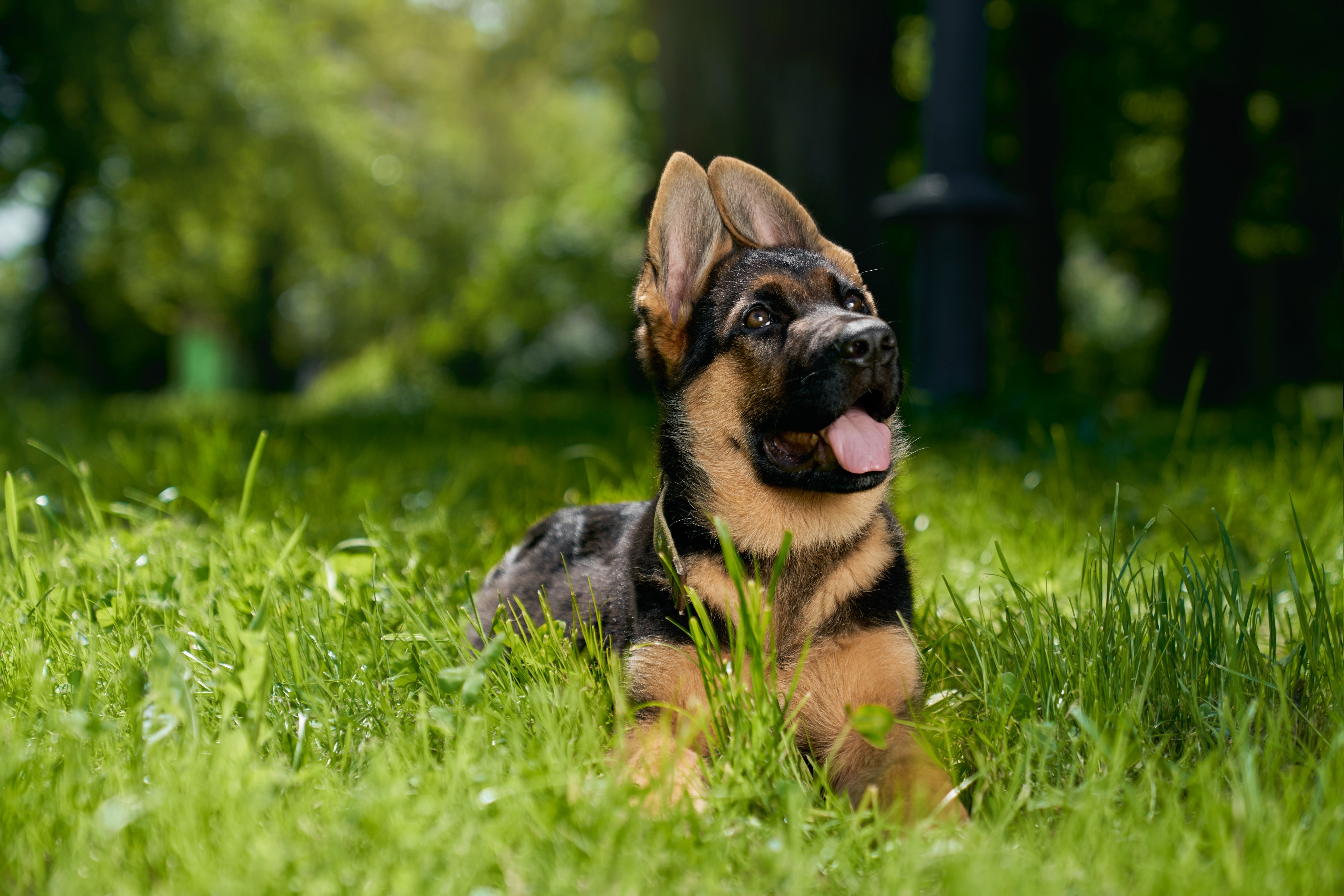
The German Shepherd is one of the smartest and hardest-working dog breeds. In India, they remain among the top five most sought-after breeds. They are loved by families, security personnel, and dog sports lovers in equal measure.
It is not easy to keep a German Shepherd in India due to the country’s harsh climatic conditions, monsoon rains, lack of vet nutrition specific to the breed, and an overwhelming number of dog food brands meant for dogs in different environments in the West. The best dog food for German Shepherds in India cannot be the most expensive imported dog food. It should match the physiology and energy levels of your dog in India.
This guide covers everything you need to know about GSD food, from puppyhood through the senior years, so your German Shepherd can live the full, active, healthy life they deserve.
Why German Shepherds Have Unique Nutritional Needs
While explaining the nutritional needs of GSDs, it should be noted that the biological uniqueness of this canine breed is a crucial element in their case. Not only does the body of the GSD seem strong, but at the same time, this dog breed is an active one whose body was formed as a result of physical activities for decades. For this reason, the dog's slim and muscular body demands a sufficient amount of protein. Also, there are certain physiological problems related to the health status of GSD dogs.
First of all, the two most common GSD health conditions that can be controlled by nutrition are the following:
Degeneration of joints and dysplasia of hips: It is apparent that the issues resulting from both elbow dysplasia and hip dysplasia in GSDs are common; therefore, preventative strategies should be utilised in order to minimise these problems. Providing a sufficient amount of glucosamine, chondroitin and omega-3s in GSDs' diets (along with maintaining healthy body weights) is helpful in preventing joint degeneration.
Sensitivity to gastric and bloating: Due to GSDs' tender stomachs, many of them experience bloating, which is caused by insufficient dietary intake and inadequate nutrition. Because of this fact, bloat is very common among GSDs due to the occurrence of gastric dilatation-volvulus syndrome (bloat).
Best Food for German Shepherd Puppies (8 Weeks to 18 Months)
The puppyhood stage in GSD lasts longer compared to many other breeds. GSD is considered a puppy up to 18 months old, and during this long period of growth, he or she will require high nutritional standards. If done correctly, you'll provide your puppy with a good basis for its adult life. However, if done wrong, you'll have problems with bones, immunity and digestion of your future grown-up German Shepherd.
What should be in the diet of a German Shepherd puppy?
-
Proteins: 28-32%. Named animal protein – chicken, lamb, fish or egg – should be first on the ingredient list. Proteins stimulate muscle mass building, strengthen the immune system and provide energy for cell regeneration processes.
-
Balanced calcium-phosphorus: This issue is very important, and it's often misinterpreted. An overdose of calcium in a large dog is dangerous and leads to improper formation of the skeletal system. The recommended ratio of these two minerals is 1.2 to 1. But there's too much calcium in many general-purpose puppy foods.
-
Fish oil (DHA): Supports proper development of the nervous system and increases a puppy's trainability. It's especially important for this breed, which is very smart and easy to train.
Zoomies formula is designed specifically for German Shepherd puppies belonging to large breed dogs in India.
Best Food for German Shepherd Adults (18 Months to 7 Years)
The adult German Shepherd is a machine in motion. Regardless of whether your GSD is a working dog, a competition dog or simply the family pet, the adult German Shepherd's nutritional needs should be considered substantial. GSDs, unlike Labs, don't tend to develop problems with obesity; they usually remain thin and active animals, which makes their protein requirements very high.
Nutritional requirements of an adult German Shepherd include the following:
-
Protein: 24-28%. The backbone of a good German Shepherd diet. For maintaining healthy muscles, optimal immune function and natural physical activity, the adult GSD needs constant high amounts of protein. Protein in the diet is best represented by chicken, lamb, and fish.
-
Fat: 12-16%. This ingredient gives the adult GSD high energy levels due to its ability to supply much higher calorific values than proteins or carbohydrates.
-
Nutrients that support joint health: In particular, glucosamine, no less than 400mg per kilogram of food. From the very first months of life, glucosamine sulfate should be a part of the diet to avoid possible hip dysplasia.
-
Omega-3 fatty acids (EPA/DHA): Helps manage joint inflammation, promotes coat and skin well-being, and contributes to heart health – all major considerations for the GSD.
-
Antioxidants (vitamin C and E, selenium): Protect against oxidative stress in highly active dogs.
The German Shepherd Diet and Digestive Health: What Every Indian Owner Must Know
There is one aspect that owners of GSD struggle with the most in India, and that is their digestive health. As an inherent trait of the breed, GSDs are known for having delicate digestive systems, and this isn’t solved simply through the proper choice of food; but, of course, it can certainly be managed effectively through a German Shepherd diet.
GSD digestive problems and solutions:
There are many different causes of diarrhoea in dogs, depending on the individual dog. Some examples could include reactions to ingredients found in food, such as corn, soy, or wheat and improper diet or fibre intake. To treat diarrhoea, consider using a single-protein formula with a limited ingredient list; adding pumpkin to canned food instead of fibre sources; and feeding slowly from a bowl.
-
GDV/Bloat - One of the most dangerous diseases found in the German Shepherd is GDV, or bloat. You should only feed your dog twice a day; therefore, you must not feed your dog only once. Do not feed your dog before or after exercising. Kibble pieces should be small; feeding in this manner causes a slow feeding effect. The Zoomies kibble should help with feeding your German Shepherd in a slow feeding manner.
-
Food Allergies/Sensitivities - There are many different food allergies that can occur in a German Shepherd, and one of the most common ones is chicken. Other common symptoms of food allergies in a German shepherd can be itching, ear infections, diarrhoea, and continual licking of the food/distress on the dog's paw. To determine if your dog has a food allergy, it is recommended that you do food trials on your dog.
-
Exocrine Pancreatic Insufficiency (EPI): Exocrine Pancreatic Insufficiency (EPI) is yet another condition that affects the German Shepherd breed of dogs. This condition results in improper digestion of food due to the lack of sufficient enzymes created by the pancreas.
Foods to Absolutely Avoid in a German Shepherd's Diet
Taking into account the delicate digestive system of GSDs and the overall large size of this breed, the negative impact of providing inappropriate food will be much more significant than in the case of small breeds. This list describes the items that should never become part of the German Shepherd's diet:
-
Onions and garlic
-
Grapes and raisins
-
Chocolate and caffeinated beverages
-
Cooked bones
-
Sugar substitutes such as xylitol
-
An excessive amount of salt
-
Seasoned food (cumin, chilli, turmeric and indian spices)
-
Raw dough and fermented foods
Best Food for Senior German Shepherd (7 Years and Above)
The senior period of the German Shepherd starts around seven years old, and many German Shepherds have a lot of energy at this point and can keep running until they reach nine or ten years. There are some health concerns associated with a senior German Shepherd, including a reduced metabolism, poor kidney function, joint stiffness, and low immunity levels. The diet that should be given to the senior German Shepherd should contain certain ingredients to cater to all these factors.
-
Protein in smaller quantities (20-24%): Protein is required in lesser quantities for the dog's body to digest and utilise the nutrients
-
Increased joint care: It involves the addition of glucosamine, chondroitin, and MSM to help German Shepherds stay active.
-
Reduced phosphorus level: This nutrient helps maintain the health of the kidneys, as their function may gradually decline with age in some senior dogs.
Why Zoomies is the Best Food for German Shepherd in India
There are many dog food brands in India. Why then do so many German Shepherd owners rely solely on Zoomies for their canine nutrition? This is the truth behind Zoomies as your go-to brand:
-
Breed-specific formulations, not generic large breeds: Instead of taking a conventional large breed formulation and putting a "German Shepherd" label to it, Zoomies made its GSD range with consideration to the breed’s digestive sensitivity, joint fragility, coat requirements, and energy needs for working dogs.
-
Digestive health first: The core of any Zoomies GSD formulation lies in maintaining digestive health. It is for this reason that our specially formulated mixture of pre- and probiotics, as well as enzymes, is geared toward solving the problem of loose stool and excessive gas in Indian GSDs.
-
Transparent ingredient list: All of our products will have exact ingredient amounts, a guaranteed analysis listing, and even caloric content per cup and feeding guidelines based on body weight.
What makes the best dog food for German Shepherds in India cannot be determined simply by the cost or the foreignness of its source. The best dog food for German Shepherds in India must include the highest quality of animal protein, intestinal fortification, joint care, and even formulations suited for the unique climates found here.
This is what Zoomies offers – when you select Zoomies for your dog’s nutritional needs, you have selected a brand that has gone through rigorous research and consulting with veterinary professionals to develop its products specifically for your German Shepherd. That’s what the best dog food for German Shepherd in India looks like.
Discover all that Zoomies can do for your German Shepherd in the Zoomies GSD range
FAQs
What is the best food for German Shepherds in India?
The best food for German Shepherds in India is a nutritional diet full of high-quality proteins, fats, and joint support, depending on their age and activity levels.
What should a healthy German Shepherd diet comprise?
Protein, easily digestible carbohydrates, omega-3 fatty acids, vitamins, minerals, and sufficient hydration should be incorporated into their diet.
Are German Shepherds likely to experience problems with their digestion?
Yes, German Shepherds can suffer from digestive problems due to their sensitive systems; hence should be fed with easily digestible food and fed at moderate intervals.
How often should German Shepherds be fed?
German Shepherds should be fed 3-4 times a day, especially puppies, whereas adults can be fed twice a day.
What should not be included in the German Shepherd's diet?
Foods that should not form part of their diet include chocolate, grapes, onions, raisins, bones, xylitol, and any other heavily seasoned foods.
Share:
Best Food for Labrador in India: Puppy to Senior Guide
How Much to Feed a Puppy: Indian Breed Puppy Feeding Chart & Complete Guide